
|
|
This one is a quick post at the tail end of my summer adventure to document some observations I made this evening while sitting on the beach in southern Michigan. I am a people watcher. It has been a favorite pastime since I was young. No matter where I am - I settle in to watch and listen (eavesdrop). The one thing that I have noticed increasingly over the past 15-20 years is that kids are less and less likely allowed to be kids. While eating a picnic supper, I sat on a rock listening to a parent hassle and berate her children while they climbed on the rock jetty. These kiddos wore life vests, and the rocks were large and flat - like stepping stones. I sat there silently, wishing she would simply hush and let them follow their interests, curiosity, and excitement into the crevices, nooks, and crannies of the giant stones. I was saddened beyond words - in that moment their natural desire for exploration and discovery, along with the unending energy of childhood, was thwarted. Therefore, I was heartened to see, as I walked back along the lake edge to the parking lot, a young boy (9-10 years old) all by himself, digging a hole and collecting seagull feathers of varying sizes to place very precisely and carefully in his creation as the water lapped at his feet. Was it pure art or some other imaginative creation with a specific purpose? I will never know. But that child will have that experience to call upon his entire life. Next week, I will be back in the proverbial saddle. I heard that the sewer line project was started. I don't have any details - those will have to wait till next Sunday.
0 Comments
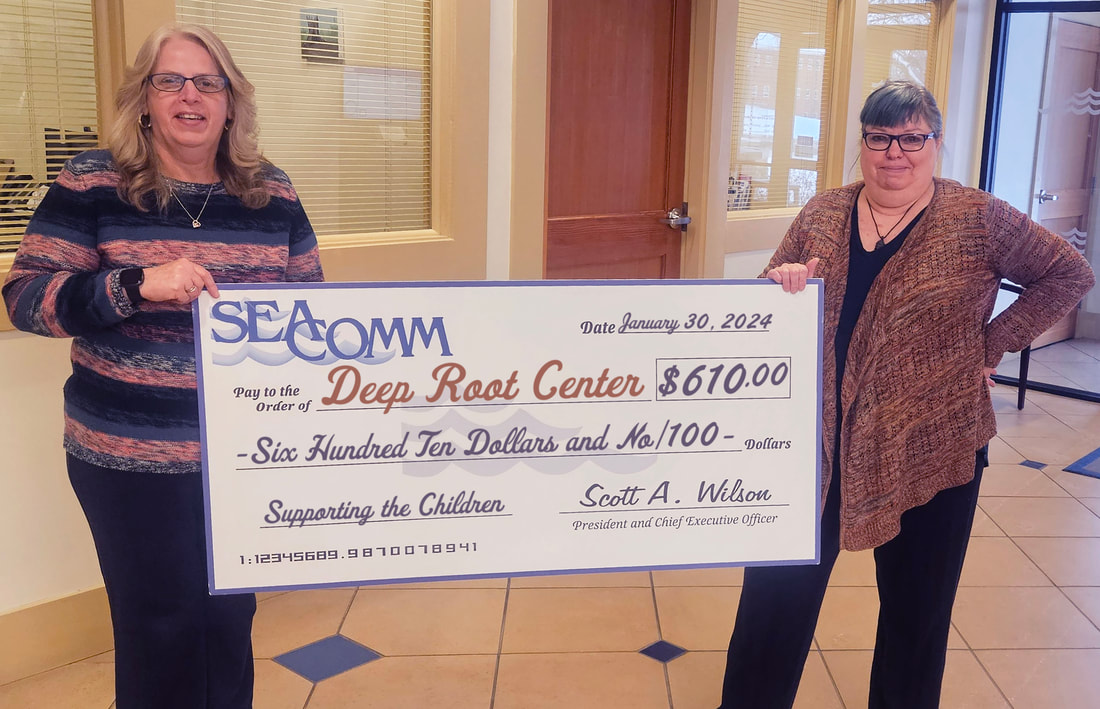
Last Sunday, after a fun day in the sun at the Lincoln Park Zoo and the beach, my son brought me to lunch and nervously approached me about the 4-day drive I had planned from Chicago to Portland. He presented all the facts - things I had been mulling over silently for a day or so when I realized that each driving day would be at least nine hours. And that I would have to turn around a week later to do it again. Even though the task seemed daunting - I was not even considering an alternative - until he brought it up. He created the opening for me to say (inside my head) - "What in the hell am I thinking?" Honestly, I don't think he believed I would capitulate so easily. The flight was booked upon returning to his apartment that afternoon. Sometimes, we need the options spelled out explicitly before we can see them as possibilities. And occasionally, we need the reminder that there is no harm or shame in pulling back from an original plan and switching gears mid-stream. Thanks for creating that space for me to do all that, "kiddo" #1. *I will be flying back to Chicago next Saturday; therefore, there will likely not be a Blog Post next week - unless I am inspired midweek to write. Mount Hood as we approached PDX and Luna "the adorable" DRC News Thank you! We are delighted to announce that the Cloudsplitter Foundation funded one-half of the sewer line repair project from their Rapid Response Grant with a $5000 check. That, along with the $2000 from the Canton Community Fund and the $650 in donations, allows the project to begin. The contractor is hoping to start this coming week. Summer Program We had been holding off on promoting the summer program, not knowing if the sewer line would be fixed. Knowing it will be - we can now accept registrations. Find the sign-up form here.  Craft Fair We are still looking for vendors and food trucks for our craft fair. Registration is here.  Last weekend, I was with several folks (my Peeps) at the Liberated Learners conference. Even though we all belong to the network and subscribe to the same philosophy, every single Center in the network is unique. The most significant variable determining that difference is that we serve a different demographic. In some cases (DRC), wildly different. Most Liberated Learners Centers are in urban or suburban communities that encounter challenges that require contrasting solutions to what DRC faces with our rural population. This means our messaging within each of those individual communities needs to vary significantly. Therefore, when asked what DRC's central message is, I immediately said, "safety." DRC is a safe place for everyone - no matter your gig. Because I often hear that many kids and their parents do not/did not feel secure in their current/former educational environment, it is the most fundamentally human yet profound benefit we can offer. To put it plainly - if you do not feel safe (emotionally or physically) - you can not learn. What other concepts should we include in our future messaging? I have used - flexibility, kindness, supporting curiosity & creativity, and all-inclusive. What am I missing - what do we offer that is unique to the community we serve? Comment on this blog post or send your thoughts to me directly. Thank you! DRC News Sizzling Summer Bash Craft Fair & Fundraising Event Aug. 10. We are currently seeking vendors for the Craft Fair - see the info below. Online Registration is here.
Sewer line Repair News Good news on one of the grants we applied for. We are excited to announce that the Canton Community Fund has approved our request for $2000. We have not received the check yet - we anticipate it in the next week. We are also waiting to hear about the other grant - hopefully by next week. In the meantime, you can contribute to the sewer line challenge here. Every dollar brings us closer to getting our kiddos back in the building.  Summer Travel I am currently in Chicago with my son and his wife. I will leave for the next part of the adventure next Tuesday to arrive in Portland next Friday. You may receive a post next week - depending on energy levels, time, and inspiration. Again - no promises...
I went rogue (ignored Google Maps Lady) to find a beach on Lake Erie after spending 6 hours driving and before selecting a place to stay on Monday. Despite being an obviously economically depressed area, the town had a very cool library on the beach. They were hosting a beach play time with pails, shovels, and beach toys that kids signed out. One small child looked at me and asked "Did you make your hair blue?" My response was, "Yes, yes I did!" His mom looked mortified - but it totally made my day. Kids - being kids - asking questions cause they are genuinely curious.  Penny Lane was happy to greet me on Tuesday when I arrived at my son and daughter-in-law's place in the Albany Park neighborhood of Chicago. The fireworks have been intense - but I always enjoy my time in the city. Something folks are often surprised to hear, considering I regularly spend a good portion of my time off-grid in the woods. I begin a month of travel this coming Friday when I head down to Langhorne, PA, to meet up with the Liberated Learner Crew at our sister center Bucks Learning Cooperative for our annual conference. Except for the two pandemic years and last year, I have been traveling to the Liberated Learner conference (generally held near Amherst, MA. at North Star) since 2013 - before LL was even really a network - just a big (good) idea. It is honestly the highlight of my year. There are new people to meet and old friends to catch up with at every conference. The best part is being with folks who understand on an unparalleled level what I do and the multitude of challenges I experience as the face of an organization that embraces a philosophy so far from "the norm" that we must explain it as a new paradigm. To say that these are "my" Peeps is an understatement. From the east side of PA, I will head to Chicago to spend time with my son and his wife, and then I will drive across a few big states to Portland, OR, to stay with kiddo number two and their partner for a week before retracing my steps back to Chicago and then home. I have not been to their places to stay since 2019 (except for my son's wedding - mid-pandemic). They have come home a few times since then - I am so looking forward to hanging out with them in their environments for an extended time. And as much as I love and appreciate all "my peeps" here, I am excited to travel alone with no other human or organizational responsibilities - simply enjoying each moment/experience as it comes - (just me and my brain )- allowing all the cool ideas to come forward in the monotony of those thousands of miles. There will not be a Blog Post next week. I may catch up with you all from Chicago - but I'm not making any promises. Until next time - Happy Summer! DRC News I spoke to a few more folks this week about DRC and what we do, with a focus on getting dollars toward solving the sewer line issue. One person from a granting organization said they would likely help us out - but their board wants to see a diversity of funds coming in. To that end, I have rebranded the "DRC plumbing fund" to the DRC Targeted Sewer Line Challenge. We are currently at $650 - only $350 more to the first level - please consider getting us over that $1000 mark by clicking the link. This project can move forward while I am gone if we have 1/2 of the $10,000 to begin. It would be amazing to return to a working sewer line so I can focus on the next thing.  It is not too early to explore the option of DRC for your family. We already have several new kiddos joining us in Sept. Get in touch here to learn more.  We also have a basic schedule set for the Pop-ups. They will meet every Thursday & Friday beginning Sept. 12th from 1 - 4:15. Every Thursday will be at the Massena Public Library, and the first two Fridays, Sept. 13th & 20th, will be at the Nicandri Nature Center. Learn more here. Huge shouts of thanks to both the Massena Public Library and the Nicandri Nature Center for agreeing to host us.
A few weeks ago, I stayed with my mom for two nights. She is in her early 80s, but no one believes her age due to her incredible genetics and determination to continue doing all the things she loves. My mom is passionate about nature, flowers, and decorating. Though I don't think she would call herself an artist, she has an artistic eye and adores a good aesthetic. During my visit, she spent hours turning a small open lean-to into a beautifully decorated "she-shed" next to her outdoor patio and small water tank swimming pool - where she can hang a curtain for privacy and use it as a changing room to get out of her wet swimsuit. (Oh, yes, she also loves water.) Her yard is a haven for birds and small critters, with a small pond that my brother built long ago. Mom has birdhouses scattered around her yard - occupied by young bird families. She delights in watching their antics. She recently bought an electric riding lawn mower with a small wagon attached to the back that she uses to do all her own yard work. She had a clear vision of her shed and knew she had all the necessary pieces around the property. While I was working on my weekly blog post at the patio table under the umbrella, she brought out the mower, attached the wagon, gathered all the components onto it, and drove them to the patio. She wanted a piece of lattice (leftover from a long-ago project) hiding behind the barn, attached to the back wall. Before she loaded it on her wagon and brought it over, she measured the space and then the lattice. She thought it was exact. But when she got it in the shed, she struggled to make it fit - it was a tad too long. Between the two of us, we bent it and forced it to fit into the space - perfectly. Indeed, I know where my natural perseverance and "can do" attitude come from. My mom is a natural problem solver. If something isn't quite right - she will experiment and find the best solution with what she has. She then spent a few hours painting half of the lattice (reluctantly saving the rest for another day) after discovering that she had a quart of paint left from another project and a small roller. I have not seen the finished product yet, but I can only imagine it is set up exactly as she had envisioned. As mentioned, she loves nature and water. She goes camping and kayaking in the mountains all through the summer - sometimes alone and other times with friends or my siblings. (I don't like camping because - BUGS!) A few years ago, she learned about Hornbeck canoes. They are ultra-lightweight, locally made (in the Adirondacks), and perfect for one person to load onto a car for transport. Before she purchased one, she had been putting her kayak inside her Prius - it fit from back to front diagonally with zero room to spare. (She only cracked her windshield once when she put it in on the wrong angle and pushed it a little too hard. And then there is the hilarious story of her picking up my six-foot-tall son to go camping together forgetting that with the kayak in the car, Ian would have to scooch under it in the back with the seat down - all the way to the camp.) Now, she can put her Hornbeck on top of her Prius - by herself (and have passengers).  My Mom in her Hornbeck, from a couple of years ago, I believe on Lake Ozonia at her friends' camp - her sanctuary since she was young. In recent years, she (hesitantly and cautiously) has forged (dipped her toes) into the land of technology. She has had success, which has allowed her to Facetime with my siblings almost every day and talk to her grandchildren (who all live out of State). She also knows how to "Google" to seek information and scroll through FaceBook and Instagram. Although she sometimes struggles with her phone and iPad and comes up against things that frustrate her - she sticks with it and figures things out (or waits until one of us can come and fix or explain it to her) - I am proud of her for not giving up. Staying active through her interests and being curious and open to learning new things has kept her young at heart. Yes, she moves a bit slower, has to take breaks, and has learned (mostly) when to put things away to be picked up another day - so she doesn't exhaust herself (something we should all learn to do) - nonetheless, she is excited about exploring all the possibilities that every day presents. I can only hope that in 20-odd years, folks will be able to say the same about me. DRC News The sewer line debacle continues. I am waiting to hear how much of the total we are responsible for and about the grants I wrote. Thank you! Thank you to the American Legion in Massena for the $1000 donation to be used for operations and programs.  Our fundraising thermometer for this year is sitting at $22,500. We have two weeks to the end of this fiscal year - won't you help us reach our goal of $25,000?
Any individual or business - who donates $1000.00+ will have their names/logos added to our "Thank You Tree Mural." You can contribute to our plumbing fund here or our general donation page here. Thank You!
*Note - credit for the title and inspiration for almost everything I have done over the past few weeks and documented in this post goes to the brilliant content creator Elyse Myers. If you have not seen her video about doing it scared, take a look here.
Just do it...scared, anxious, overwhelmed, & exhausted...is a message seemingly intended just for me that I needed to incorporate into my days. Because, frankly, I often find life itself overwhelming, anxiety-producing, scary, and utterly exhausting. Thanks to my spicy neurology, I have a plethora of contradictory characteristics but for the sake of brevity, I will only list a few that regularly come into play.
Despite all that - over these past few weeks, I did all the difficult tasks (calling, meeting, explaining, searching for necessary files and documents, and asking for help) while scared, anxious, overwhelmed, and exhausted. Yes, I took this Thursday off to rest and recover - but I was back at it on Friday and will be again on Monday. And, as I explained to one board member when they commiserated, "...this sewer line crisis has forced me to explore options and talk to people I should have - a very long time ago." Yup, just one more example of a contradiction: I despise drama, hyperbole, and exaggeration - yet I am at my best when the stakes are at their highest. If I can do life...scared, anxious, overwhelmed, and exhausted - you can too. Just remember to follow your intuition and rest when you need it. However, knowing when you are hiding (escaping, avoiding) instead of taking a required break to recover is invaluable.
DRC News
Thank You Gratitude to the J.M. McDonald Foundation for funding $3000.00 toward our "Healing through Mentoring and Free Creative Expression" Project. And thanks to the Massena VFW for the recent $500 donation.
Thank you to everyone for the concern and suggestions on our social media posts about the sewer line debacle. Many have expressed disbelief that the homeowner is responsible for the pipes in the middle of the road. As I explained, this is the way Canton deals with it. Apparently, it is a common practice.

That green circle with the X indicated where the sewer line break is. The contractor came out Monday and informed us that he has to cut through the pavement, dig all the way back to the tree line, remove the debris to off site, replace the old line with new, fill it in with fresh dirt, redo the side walk and repave the road (oh, and remove and replace the road sign). He said all together it is a $10k job! This is not a simple fix. The village has agreed to help. The contractor was going to meet with the DPW to find out what that would look like - as of now, I have not heard back from him.
I learned on Friday that our homeowner's insurance will not cover it. Apparently, they didn't even have that type of coverage when our agent wrote the policy nearly 6 years ago. I have written a couple of grants to cover the costs - now we are waiting to hear from them. In the meantime, you can help by contributing to our plumbing fund here. Thank you to those who have already contributed - we are currently at $575. The potentially insulting adage "Keep it simple, stupid," is advice I can enthusiastically get behind. The main reason is my ability to get easily overwhelmed and confused by unnecessary (at least in my opinion) complexity. This is why I am hyper-aware about creating visual breaks in anything I write. Short paragraphs are my signature. They create space around the ideas for people to take time to digest the information. I appreciate simple, straightforward language and presentation of ideas so everything is accessible to everyone. Not to say that I don't have a fondness for crafting a well-turned phrase or using - what I call "chewy" words - the ones you can sink your teeth into - that are expressive and the total opposite of boring. Over the last few weeks, I have been inundated with convoluted language in instructions, forms, grant directives, and bureaucratic documents. Which translates in my brain as inaccessible gibberish. No amount of rereading and honest attempts to decipher allows me to understand what is being presented. Besides overwhelming and exhausting me, this has the unfortunate result of making me feel dense or just plain dumb. Accessibility is the key. It is disappointing, frustrating, and mind-numbingly infuriating that people (companies and government entities) go to the extreme to make things unreachable, ultra-pretentious, and exclusive to a particular closed demographic which intentionally keeps a large portion of the population feeling stupid or unworthy without the means to get clarification or achieve the results they need to move forward. Folks shouldn't need to jump through hoops or seek out someone in the social services sector to be a translator. Please - Just Keep it Simple... DRC News
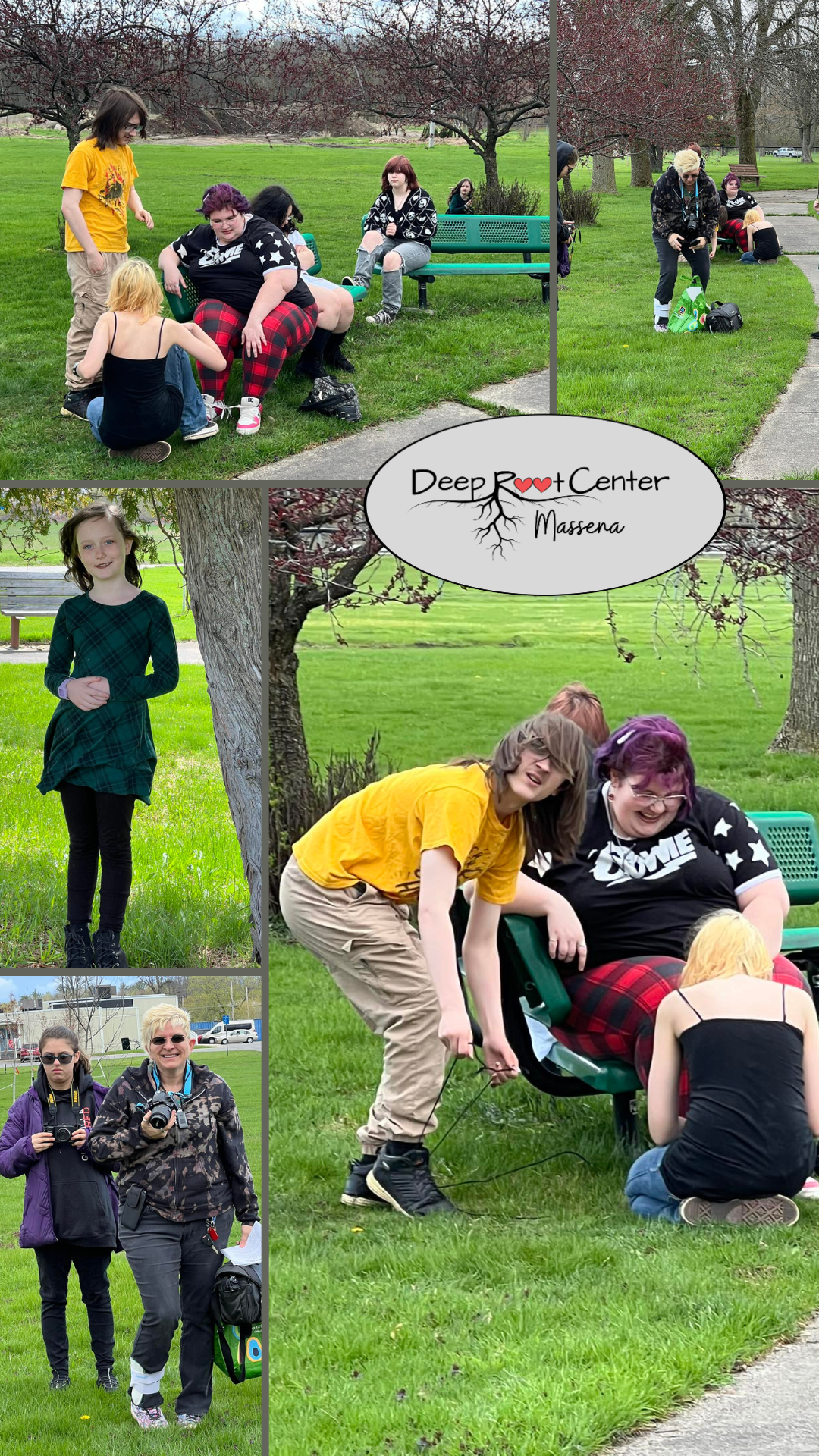
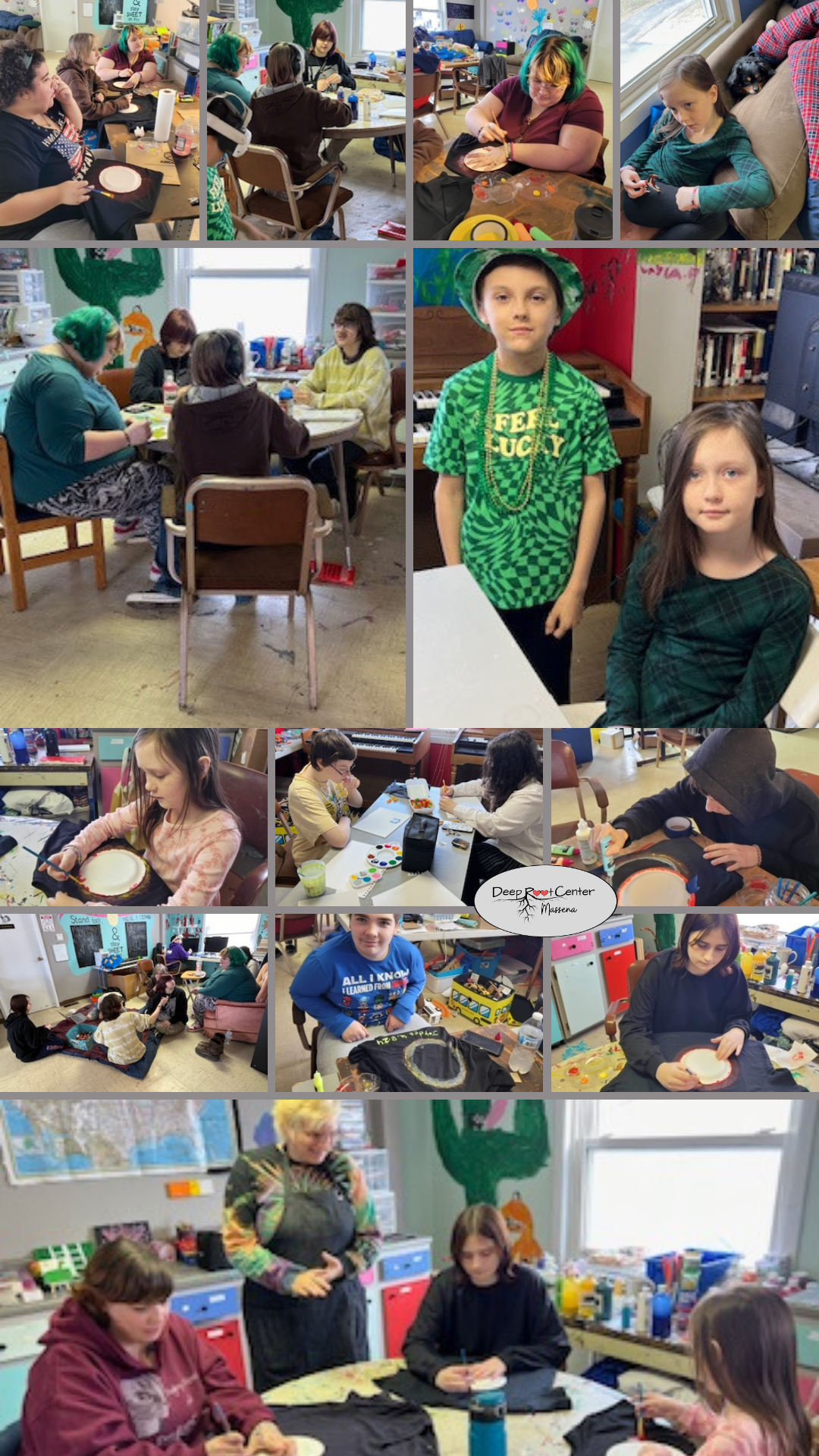
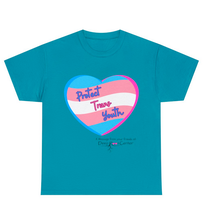
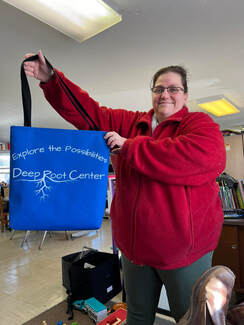
Stay tuned for news on everything grant-related that we are working on and the state of our sewer line debacle. The latest exclusive design from Deep Root Center. Order yours by following the link to our Printify Shop. https://deep-root-center.printify.me/products  Deep Root Center fully supports the LGBTQ+ community. Happy Pride Month from everyone at DRC.  Every year, it sneaks up quickly - but the end of this one came booby-trapped with some unexpected and unpleasant surprises. However, I don't want their shadow to overpower all the learning, growth, connections, and fun we experienced this year. Between the two Centers, four students finished their home school careers. All of them are long-term DRC members, one since he was 12. They each received a home school diploma that their parents will complete. It is always sad to say goodbye to another batch of kiddos that I have had the pleasure of knowing for several years. But that sadness is wrapped up in pride for all they have accomplished (two of them doubled up their requirements to finish early) - and all the unique gifts they will bring to the world as they enter adulthood. As I have mentioned a few times, we are closing the Massena Center and transitioning to what we call DRC Pop-ups. Friday was their last day in the building - but we had the year-end celebration recognizing two of our graduates on Wednesday. This particular ending comes with mixed emotions - frustration that we couldn't keep the Center open, sadness at saying goodbye to two kiddos that I have known for a long time, uncertainty about how the transition to Pop-ups will unfold, and be received, but also gratitude for Karen and all the kids, and excitement for what that new adventure holds.
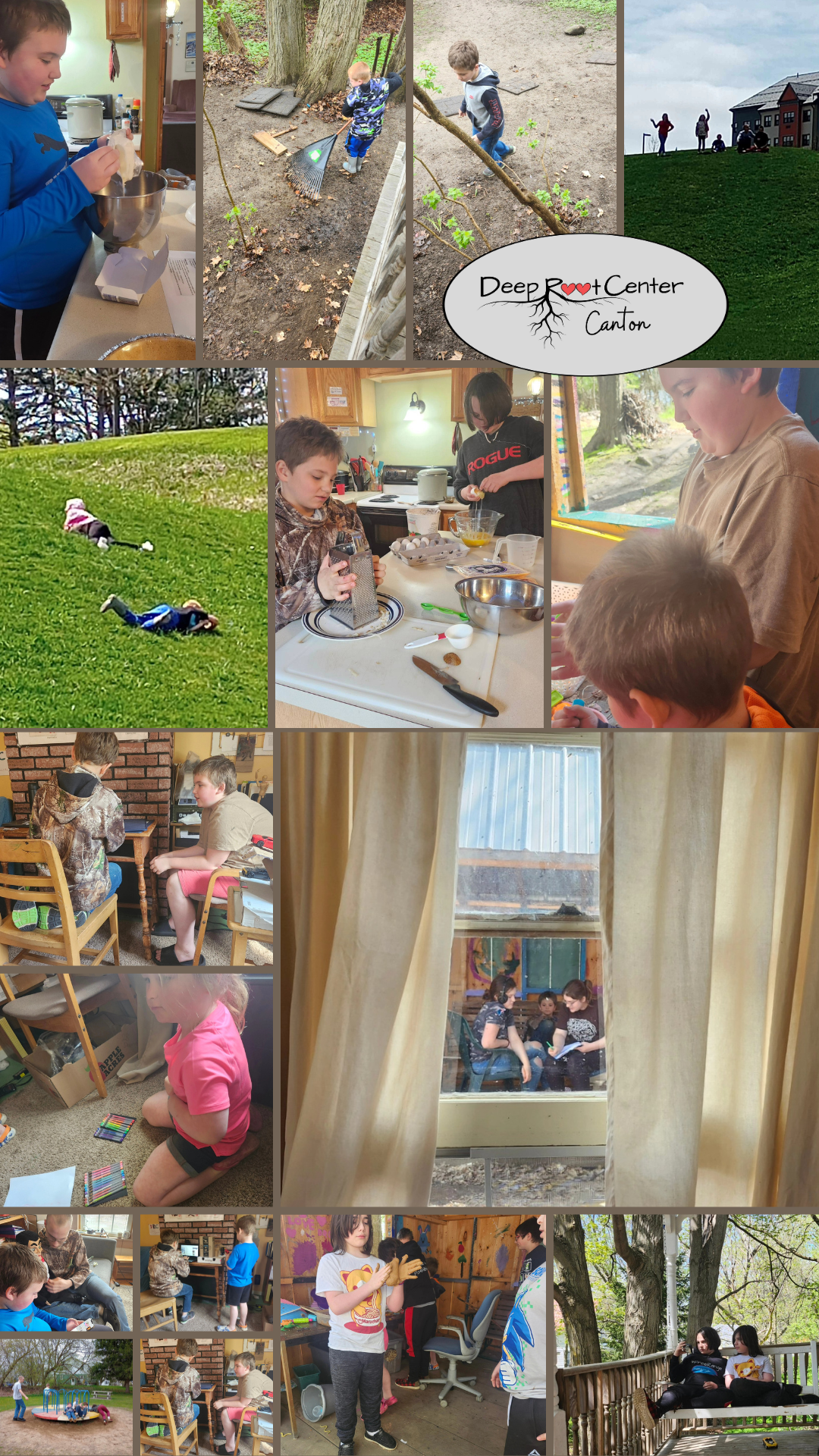
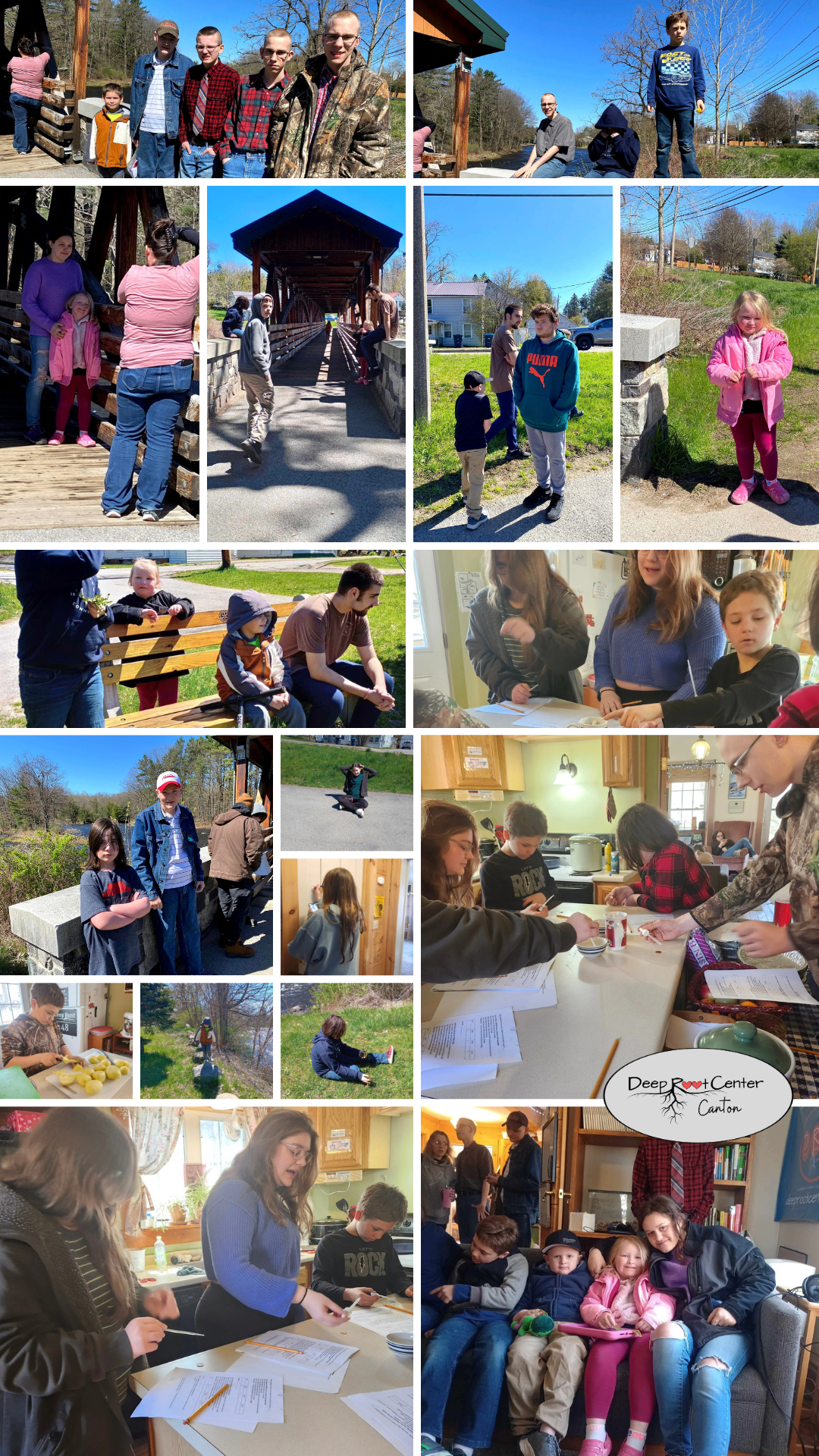
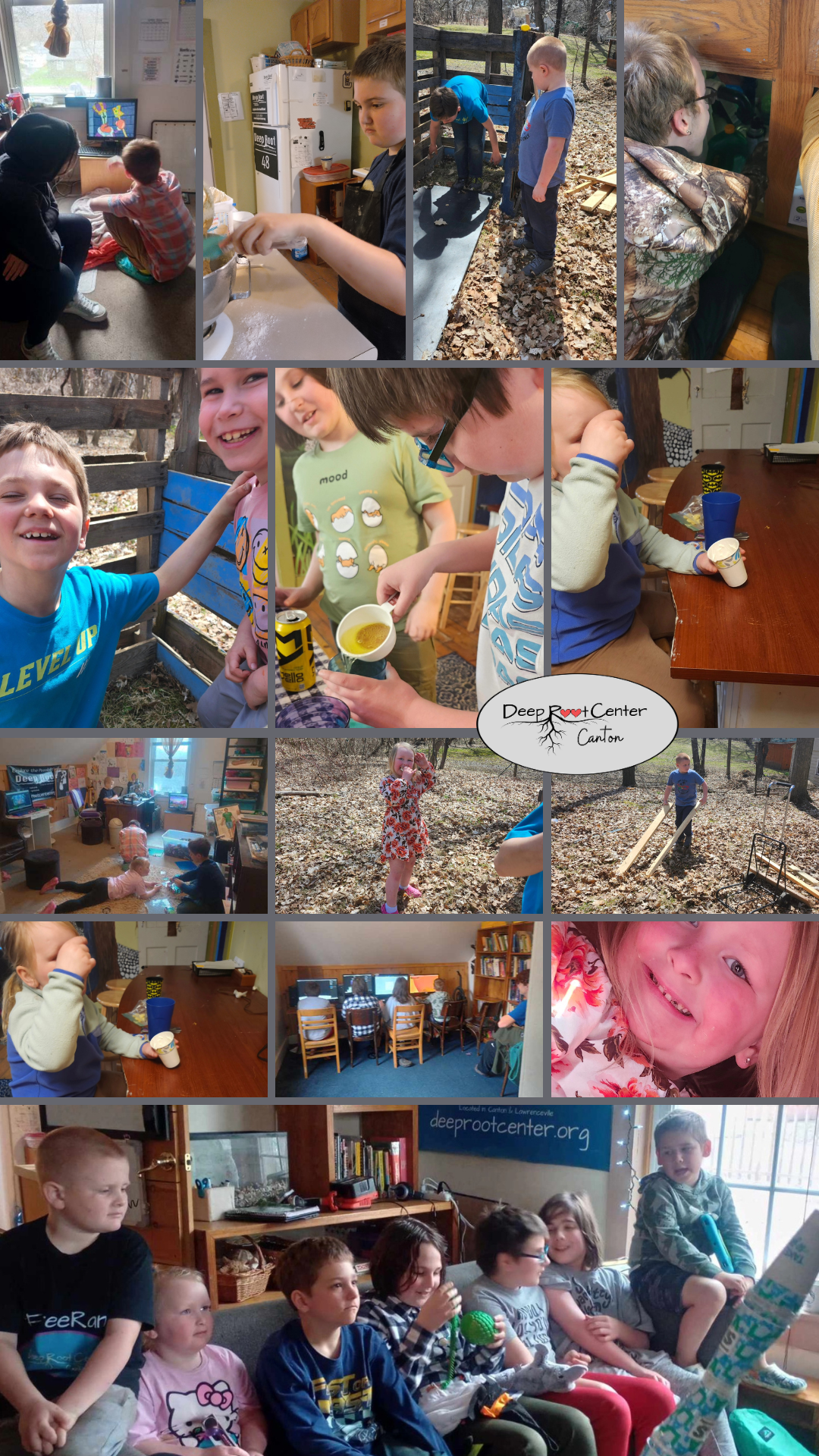
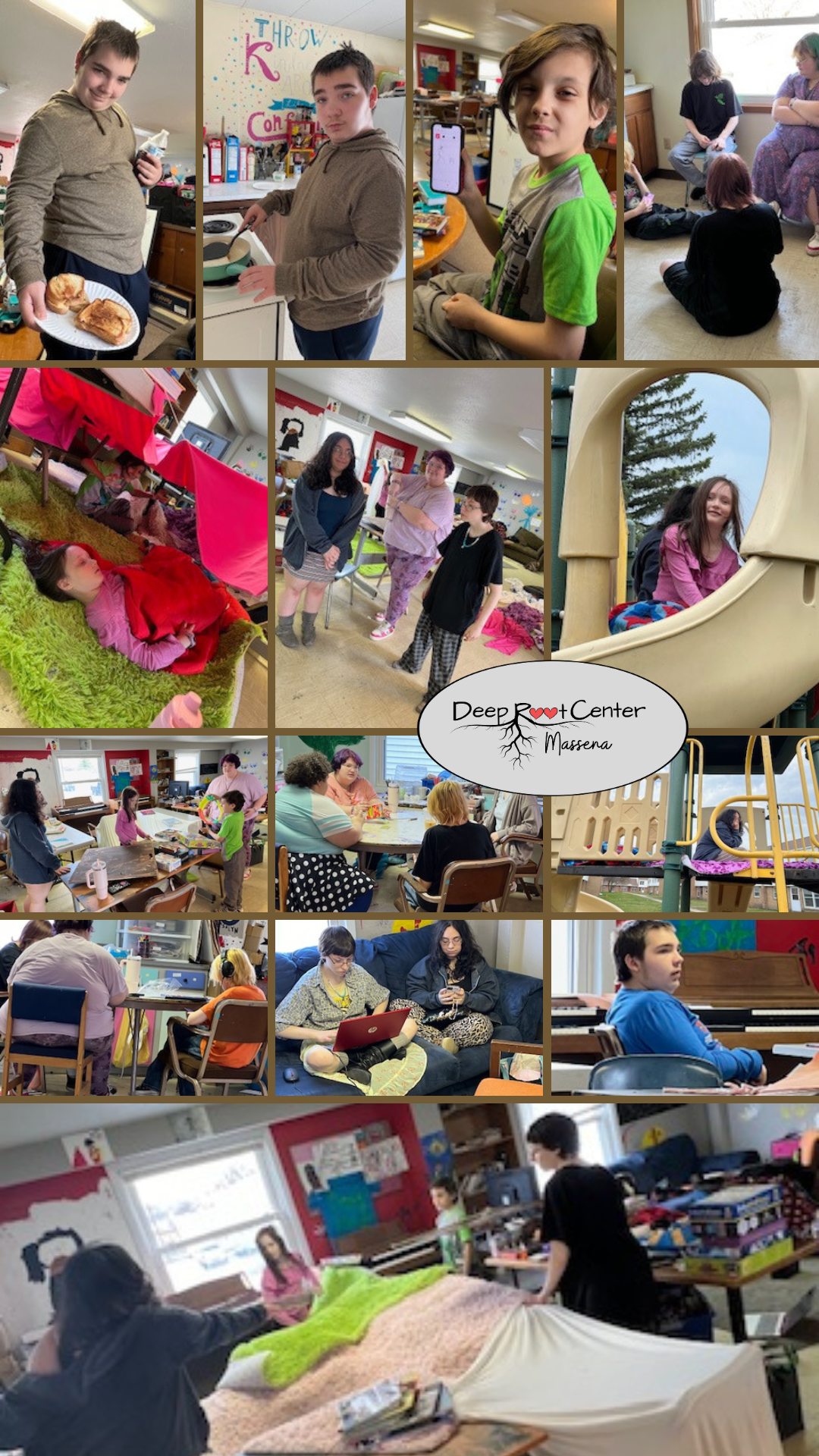
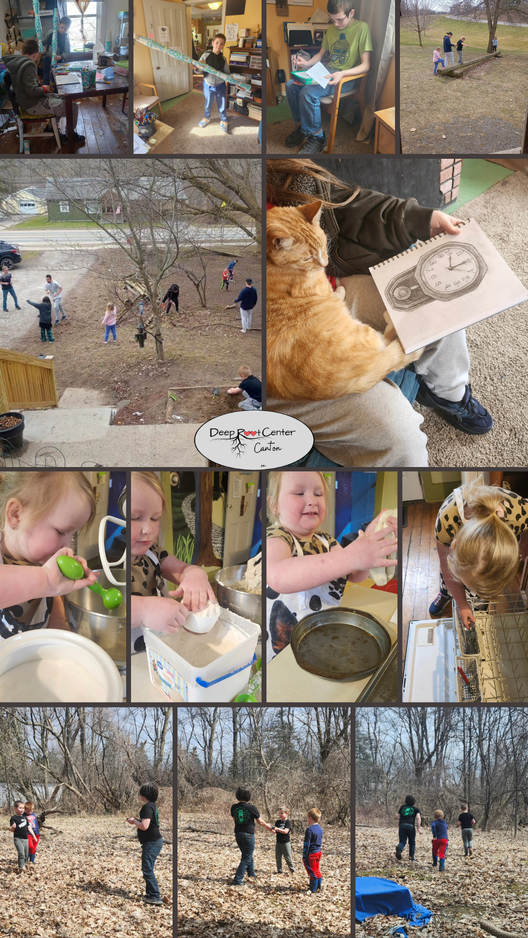
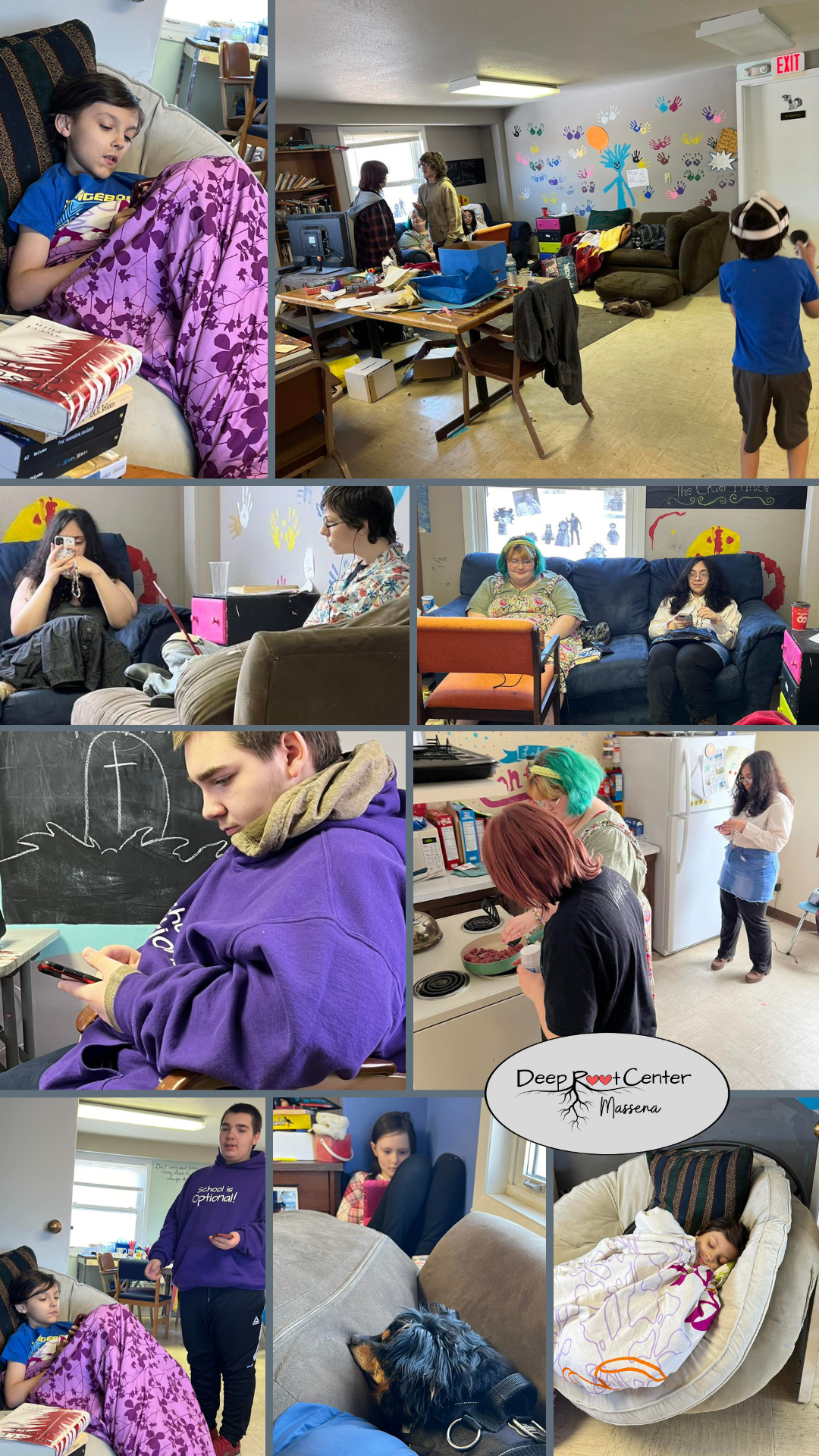
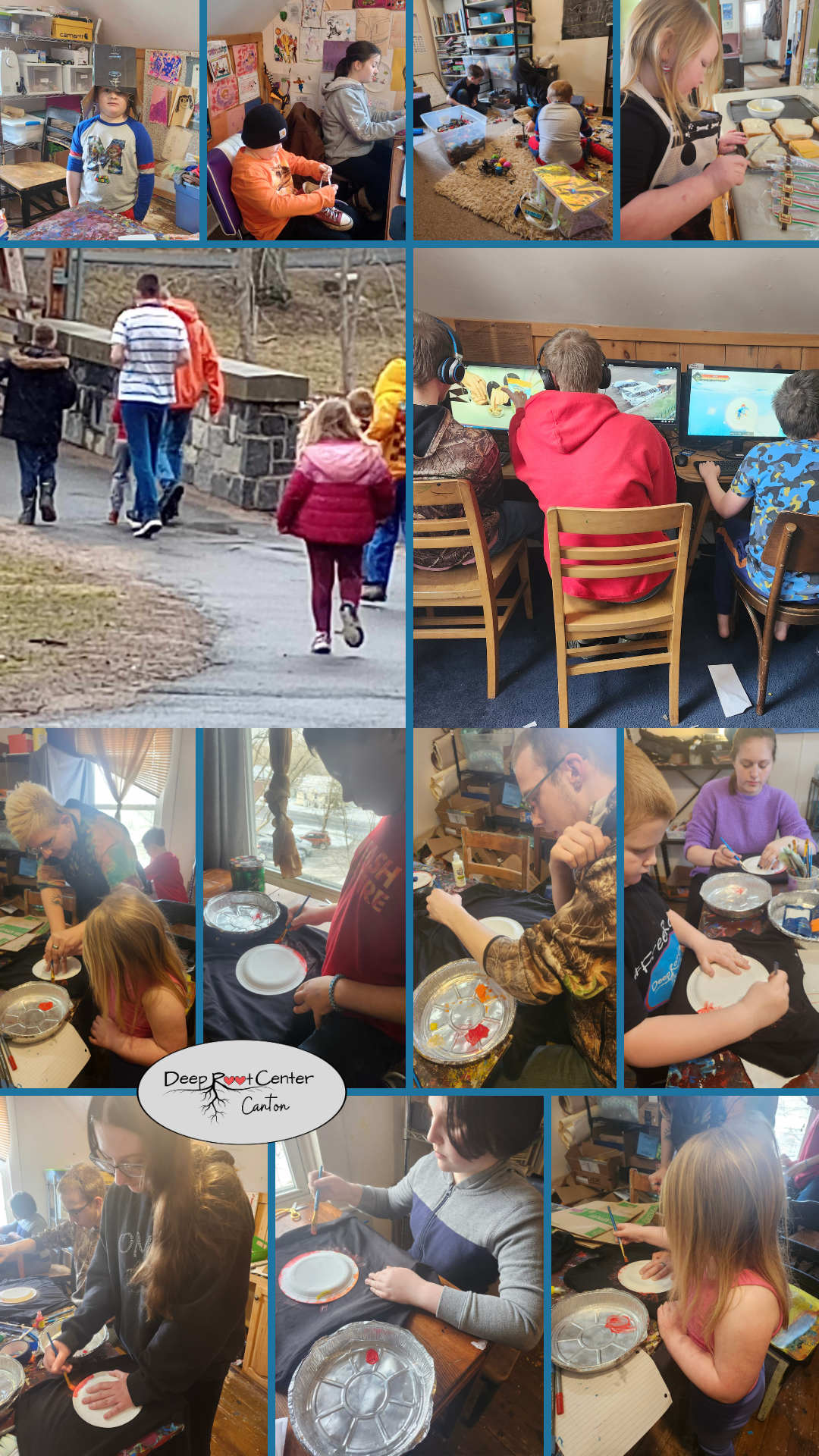
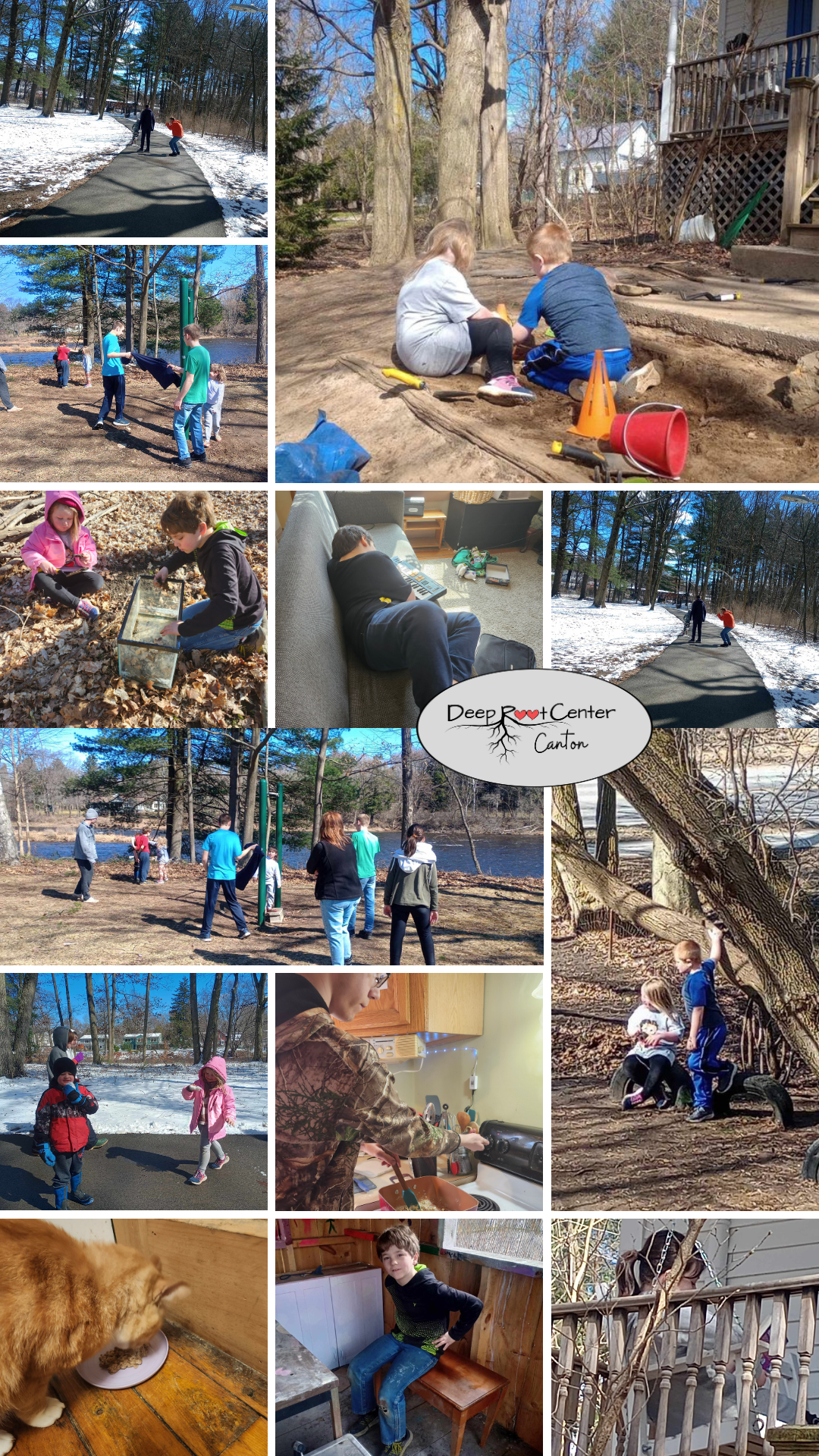
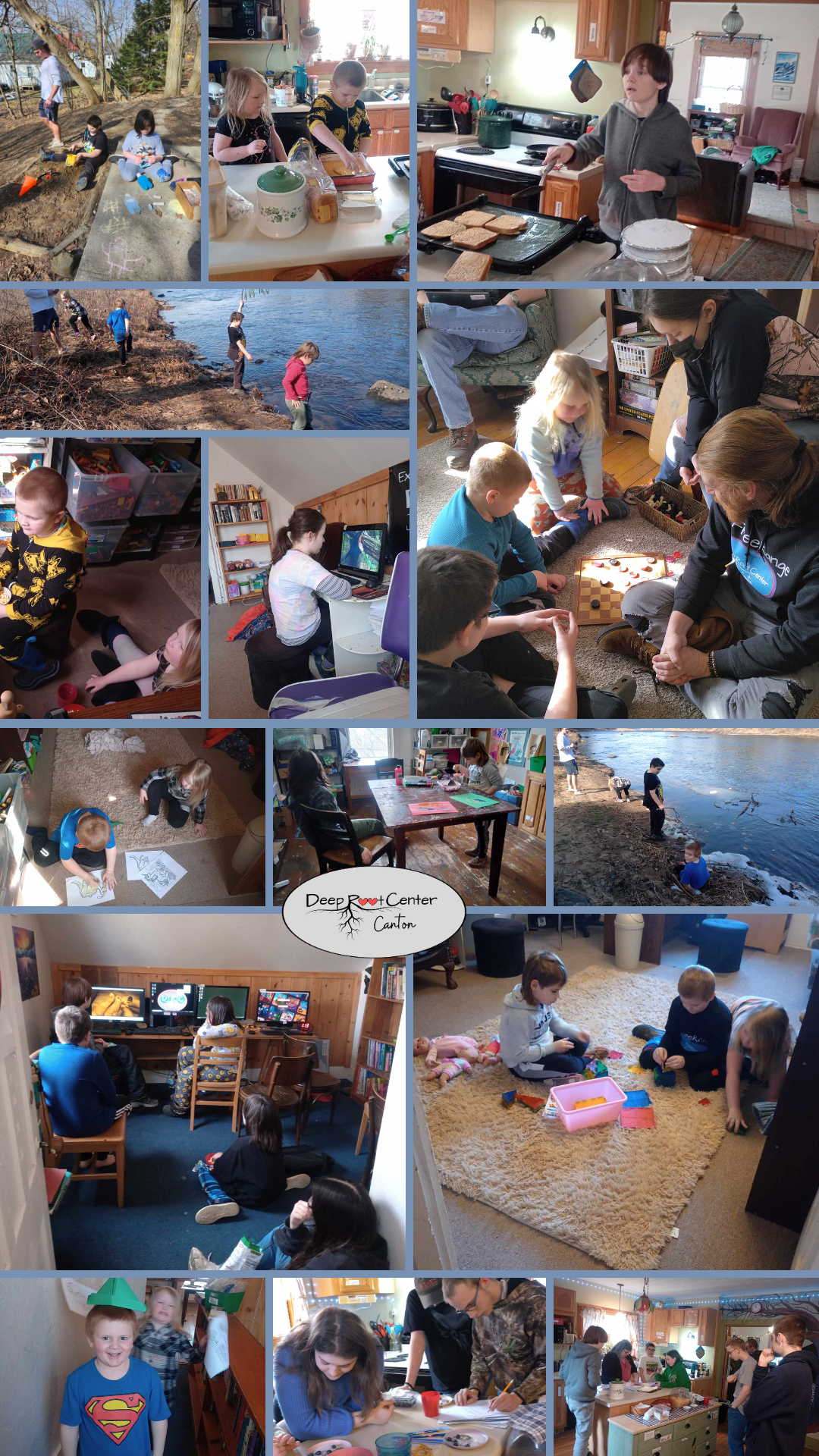
DRC-Massena has been capably facilitated by Karen Gagne, our lead staff and mentor. Pure economics, not a lack of dedication, skill, or passion, is what necessitated closing our satellite Center. Karen's kindness and wisdom guided the Massena crew to an understanding of themselves that they each carry into the world.  Friday, because of the above-mentioned "booby-traps" (sewer line issues that will be explained later), DRC-Canton had an end-of-year picnic at Bend in the River Park to celebrate the two graduates (who we did not get photos of) and recognize our junior apprentices & staff. Although a perfect weather day, this was definitely not the ending for this year that we imagined. An enormous thank you to Christopher Raymo - the guy the DRC-Canton Crew adores - who happily jumps in to facilitate whatever ideas the kids or I dream up or try and fix any problem with our building that crops up.  Although this particular year ended with less-than-ideal circumstances, I am deeply grateful that I still got to spend my days with awesome kids who generate a constant buzz of excitement that pulses through the Center. These kiddos understand their job description - get curious, explore, be creative, play, grow, and learn. Thank you all for being part of this journey as we navigate the challenges that defined the last few weeks and the ongoing task of raising the funds required to keep our promise to the NoCo. *Gratitude to parent and board member, Tiffanie Jacob, for capturing our photos and printing our memory books again this year. DRC News The plumbing situation in Canton became much more complicated than roots growing into the pipe after Cornerstone Heating, Plumbing, & Cooling spent all day Monday working to figure it out. Turns out it wasn't the trees' fault. The DRC sewer line is broken under the street a few feet before it attaches to the main line. Shout of thanks to the owner of Cornerstone for his compassion in only charging us for the first employee's labor and not billing us for the machine or his time. We are grateful for their kindness and professionalism. So what does this all mean? According to Village regulations - DRC is legally responsible for hiring a contractor to dig it up & fix the sewer line. The village superintendent was on vacation, but I spoke to the Mayor on Tuesday, after the DPW guys confirmed it is indeed broken with their camera, asking if their was any way the village could help us out. He said he was seeking ideas for us. To be completely transparent - DRC has zero funds to put into this endeavor. I cannot in good faith hire a contractor to dig up the street and repair the pipes knowing that I won't be able to pay them. I do have a call into our insurance agent to see if by any miracle our homeowners will cover it. I will talk to folks at the Village office this coming week, after Memorial Day, and then we wait for possible solutions to present themselves. We will gratefully receive all the positive energy you can send. We are terminating the lease on our Massena Center at 47 Perkins Dr. on May 31st. This means there are five days to pack up, empty, and clean the space after our last day on May 24th. Please let us know if you are available to help with this endeavor. All hands are appreciated - including the kiddos. We will be there all day on Monday scrubbing and painting - stop in if you would like to help. There are also 3 couches and 2 organs that need a home - let us know if you would like to come and get them. The DRC Pop-Ups are coming to the Massena area this Fall. Any homeschooling family is welcome to join us 2 days a week at various host venues. They are set up to be pay-as-you-go. The stamp cards can be purchased ahead of time by following the below link or the first day your child attends. Each child is $8 each day they attend. One stamp card can be used for multiple children in a family. Purchase here: https://omella.com/d7wj  I firmly believe that promises and commitments - no matter their size or perceived weight, written or spoken - are sacred words of trust. Follow-through is my expectation for myself and others. It seems that to some, promises can be made willy-nilly with a lack of follow-through and little regard for others or the long-term consequences of breaking them. I, unhappily, was on the receiving end of broken promises this past week. Which made me beyond grateful for the one that was held with great (untiring) intention - but didn't materialize because of external circumstances (bureaucracy). Yes, it is understood that there are times - regardless of how much resolve is poured into a commitment, it falls through. When you have exhausted all resources and ideas - with no success - communication and mutual cognizance of the details are essential. Quitting or changing direction with renewed information and shared dedication are both valid options. However - withdrawing and manipulating previous agreements are what I would call playing "dirty." I am grateful to have amazing folks in my corner who are loyal to their word and work enthusiastically to hold up their commitments with clear communication. And when they can't, for unforeseen circumstances, they are open to pivoting to new ideas if and when possible. They are rare jewels, mentoring and leading by example to make the world a better place. Thank you! A few photos from this past week, to highlight the essence of childhood - free imaginative play. DRC News  The Canton Center is again experiencing plumbing issues that return like a nightmare every May. We closed the Center on Friday and will again on Monday. We don't technically have the financial means to resolve the issue. But this year, we have no option. The tree roots have taken over the sewer pipes and are stopping all water from draining from the house. We cannot have kids in the facility until this is resolved. The plumber is coming with the machine to clear the pipes Monday morning to the tune of $500+. Please consider contributing to an emergency plumbing fund to help pay for this unsexy but utterly necessary remediation. Thank you! The end of our academic year is quickly approaching. Both Centers have their last day on Friday, May 24th. Then we are terminating the lease on our Massena Center at 47 Perkins Dr. on May 31st. This means we have one week to pack up, empty, and clean the space after our last day on May 24th. Please let us know if you are available to help with this endeavor. All hands are appreciated - including the kiddos.
 The DRC Pop-Ups are coming to the Massena area this Fall. Any homeschooling family is welcome to join us 2 days a week at various host venues. They are set up to be pay-as-you-go. The stamp cards can be purchased ahead of time by following the below link or the first day your child attends. Each child is $8 each day they attend. One stamp card can be used for multiple children in a family.
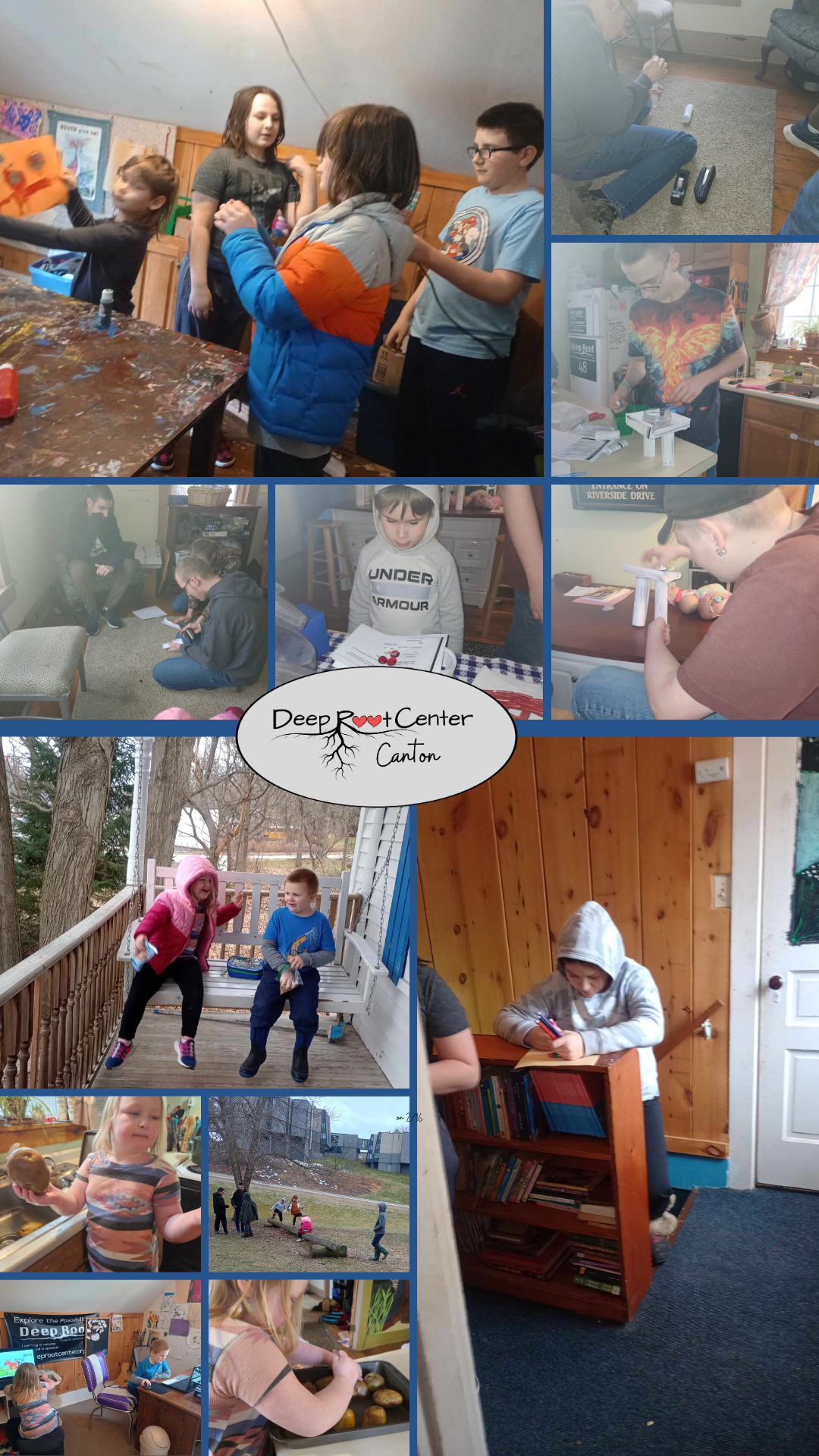
Purchase here: https://omella.com/d7wj3 I take my responsibility to DRC and, by extension, the kids, their families, and the wider community very seriously. There is a reason I was voted the "most dedicated" of my 1983 St. Lawrence Central graduating class. I have, for the most part, changed beyond recognition since then - but that characteristic remains an underlying part of my identity. Therefore, when someone accuses me of not doing my job - I take it to heart and examine the situation closely. In this case, this past week, in a string of emails, a parent informed me that DRC does not hold kids responsible for anything. She said she would report us and that she had already let people know that it is an ineffective program that they should avoid sending their kids to. The thread of emails was hard to read because - 1. of the accusations and threats she was throwing around, and 2. it was poorly written, with little punctuation and zero consideration for spelling or grammar. As I slowly deciphered the messages, I realized that she was upset (and pitching a fit) because the school was requesting an April quarterly report after she had re-enrolled him in school - that she did not have. Upon further investigation, I discovered that I had spoken to the teen (who I remember being a delight) and written the original IHIP at the end of January - when they had joined DRC. Then I realized the parent had only brought the child to the Center once since then. We contacted her several times over that period to check and make sure he was OK. Then I noticed that she had informed us of the re-enrollment four days before the reports were due. So this parent accused DRC of not holding kids accountable - when she only brought him once in three and one-half months. I (hopefully) resolved the situation by remaining outwardly professional (meanwhile pitching an internal private hissy fit) and offered to write the April Quarterly Report immediately with the list of activities, classes, and projects she provided. The hardest (saddest) part of this story is that this awesome teen with excellent communication skills had the opportunity to follow his interests (the law and theatrical art) right now by independently burying himself in Supreme Court cases and creating costumes but now has to sit in a classroom to be force-fed information that he finds irrelevant to his future goals. I find it interesting (hilarious, frustrating, and infuriating) that DRC is accused of not holding kids accountable because they are not coerced to do the things they do not want to do - when that accusation cannot be further from the truth. As a direct result of all that built-in freedom, kids own every single decision they make (whether it is impulsive or well thought out). When they do mess up, they know who was responsible and understand they are the ones who need to repair any damages (physical and emotional) they incurred. They can try to pass the buck - but at the end of the day, the truth will come back to bite them - directly - in the butt. Instead of telling kids what to do (or not to do) and how to do it - they learn through the consequences of their actions. We have the awe-inspiring (exhausting) privilege of supporting (and loving) them through it all - the reparations and (sometimes) brutal lessons - eventually cheering them on through their triumphs. DRC News  Thank you to Northern Credit Union for their sponsorship of $350. It was a pleasure to meet the Gouverneur branch staff this past Wednesday. Friday was Esme's (the amazing SLU volunteer) last day at DRC-Canton this year. She had the kiddos create egg protectors to do an egg drop. Some creations were more successful than others. Thank you, Esme, we hope to see you again next year!
Ten years ago, when DRC first opened, and I was desperate for families to discover us, I remember one of the first conversations I had with a parent about their child being able to go to college and ultimately make a living if they pursued self-directed learning. I said, "By the time your child is eighteen, there will be jobs and careers that haven't been imagined yet; they might even be creating their own." That sentence that I have, by this point, uttered thousands of times has become a prophecy. Recently, a child visiting the Canton Center recognized some stuffed key-chain creatures hanging from another child's backpack. I obviously had no clue why she was so excited to see them. She explained, with her Mom's help, that they were characters from a social media influencer. This YouTuber/TikToker not only earns from the platform - but also has popular merchandise highly sought after by a specific age group and is raking in the bucks. Could we have imagined that career path or any of the hundreds of new ideas that have cropped up in the past ten years? At this point, technology and innovation are moving so fast, and my Neuro-Spicy memory is so bad - that I have no idea how advanced YouTube was in 2014 or if TikTok existed. I do know that social media has exploded - in terms of the number of creators. The amount is staggering, not counting the hackers and folks stealing content - which is fodder for another post. People are leaving traditional jobs at an unprecedented rate. They are no longer willing to sacrifice their lives to years of mindless, unfairly compensated toil for the "man." Additionally, folks do not feel obligated to stay with one employer their entire working career out of (misguided) loyalty - they are willing to explore options while gaining new skills. The "next big thing" may not have been invented yet - but at this rate, it is right around the corner, and our kids will be the ones who imagine it or maybe even re-imagine something that already exists. This is precisely why we, as a society, require open-minded, curious young people who are self-aware and socially conscious, possess keen observation and creative problem-solving skills, can think critically in the moment, have practical knowledge of how things operate, and are unafraid of stepping outside the box, experimenting (playing), and getting messy. DRC and other self-directed learning spaces are here for those kids to practice all those skills. What's the next phenomenon, you ask? Stay tuned - they are working on it, and it'll become an accepted/expected part of our culture before you can blink. DRC News Thanks again to board member and parent, Tiffanie Jacob of Hi-Res Poetry Photography for taking our photos for the Memory Books. She was at the Massena Center on Thursday. Thanks, also, to board member and volunteer mentor Kris Rozelle, for spending time with our Massena kiddos on Thursday and going on a photography excursion with one of the teens. Both Centers had plenty going on this past week. Only three weeks left before the summer break!
I have the extreme privilege of watching kids learn by exploring their interests through free play, imagination, and creativity, following their curiosity and the resulting experimentation, mistakes, and successes. I witness the intricacies of developing relationships and the natural chaos that ensues when varying (and very much differing) personalities work things out (with occasional reminders about respect and kindness). Additionally, I observe kids trying things sometimes for the first time, failing, and succeeding - from filling a dishwasher (Do you really think that bowl will get clean sitting upright filled with food remnants on top of the other dishes?) to generating a menu for the week based on the food in the freezer, working out a division problem, wielding a hammer to build a cabin, or mopping up the mud they tracked into the kitchen on their boots. So, when I go out into the real world to explain what we do at DRC and why we are successful, I am somehow still surprised by the questions rooted in our cultural understanding of education. Even though they have seen the results, many still can't wrap their heads around the concept of - no grades, no tests, no homework, no compulsory attendance or classes, and the absolute trust we have in the natural learning process for every child. As I told the group of professionals I spoke with on Wednesday - our chief concern as a society should be happy, thriving kids. Because we have all been around unhappy kiddos - and know all too well how they can suck the life force out of any room. I should have added - that supporting kids to know themselves (inside and out), including having a keen understanding of how they learn, being excited about exploring and discovering new things and becoming well-versed in problem-solving and basic life skills - is how we get those happy kids. All of the rest will naturally follow. Forcing a child to sit through a math (history, science, English, etc.) class doesn't mean they will learn any of those things. Don't even get me started on the over-the-top ridiculous fear-mongering ads touting the STEM project and activity kits you can purchase and then shepherd (hand-hold) your child/infant through so they will "love learning/science/etc." When the "lessons" are optional and relevant to each individual, and we come to them from a place of excitement and wonder, only then will they gain stickiness and find their permanent place in our brains. Stickiness is how we explained the cohesion of water molecules in Kitchen Sink Science on Friday when each kid placed water droplets on their penny with a pipette and watched them bubble up on top. They understood that the water molecules really like each other (are best buds) and stick together like magnets to create surface tension. That tension between the questions (really wanting to know), the joy of exploration, and the actual discovery is the precise junction where the love of learning is ignited. We trust that it all happens naturally - without adult manipulation (tricks, rewards, or punishment) or coercion. DRC News 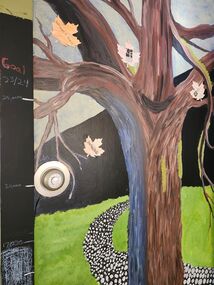 KP finished our Thank You, Tree Mural. We installed a fundraising thermometer and added the names of businesses and individuals who have contributed more than $1000 in the past year. Our thermometer is resting at a bit over $17,000 for this year, with a goal of $25,000. To be clear this money immediately becomes part of our working budget. We do not have the luxury of a "rainy day" fund - every dollar that comes in is earmarked for all of the everyday expenses that come with running a not-for-profit. You can change lives and help us raise that last $8,000 and have your name added to the Thank you Tree. Learn more here.
Thank you to DRC-Massena Parent, Board Member, and professional photographer Tiffanie Jacob of Hi-Res Poetry Photography, for once again taking our official pictures for the year-end memory books. She was in Canton on Thursday and Friday and will be at the Massena Center next week. Both Centers enjoyed a very busy week.
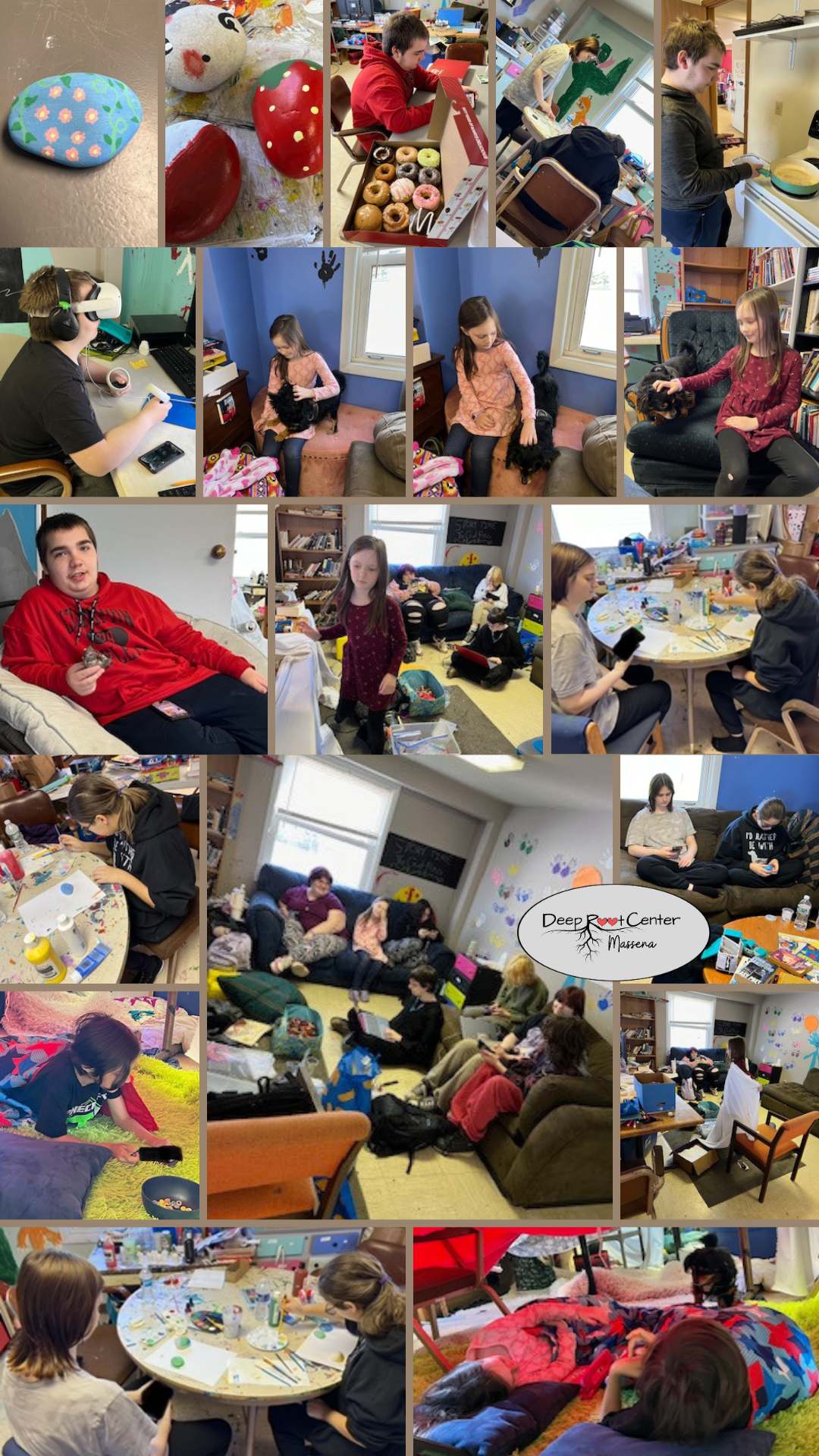
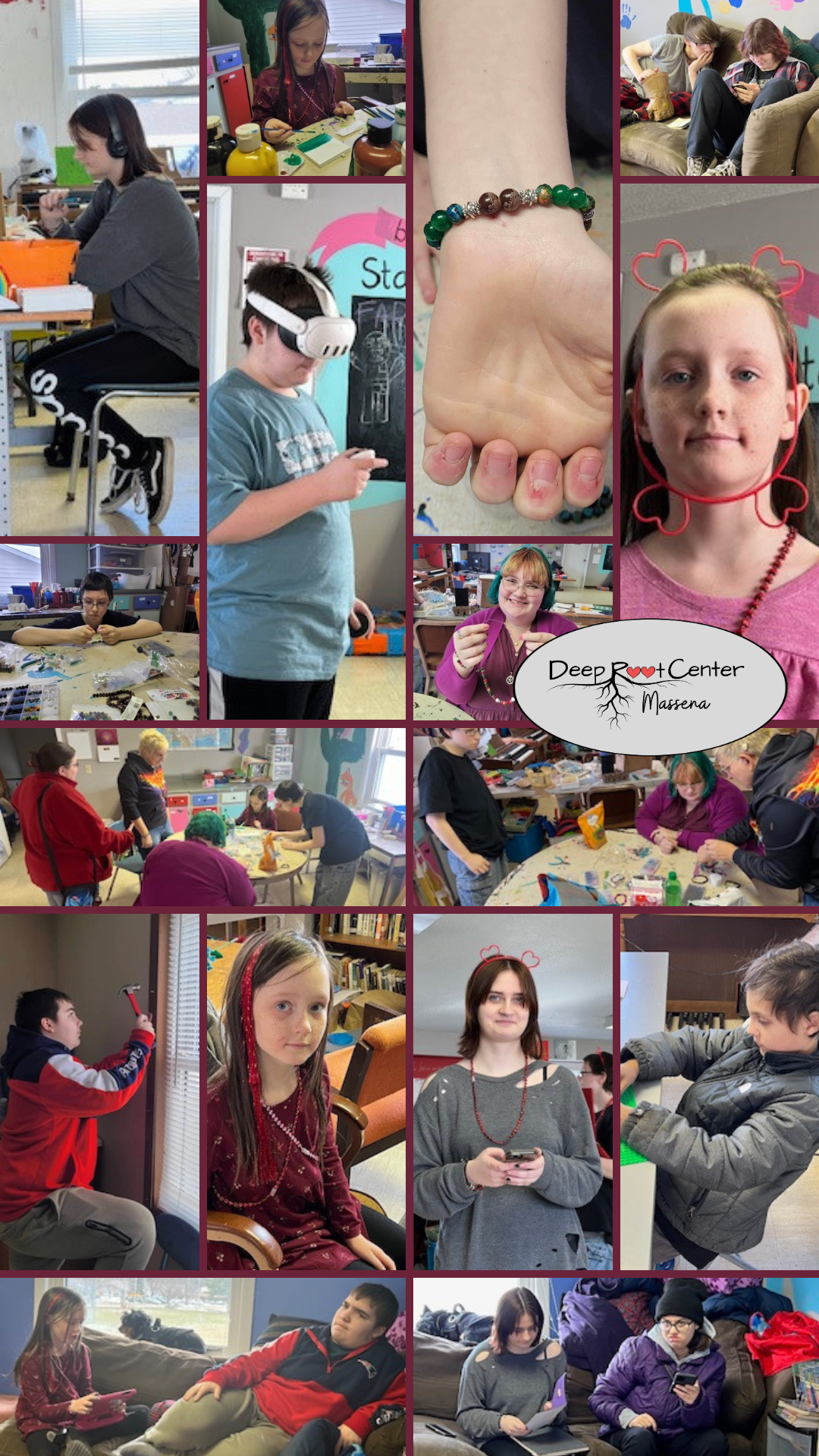
This past week, I have been sick with a sinus infection and bronchitis brought on by my allergies (yes, again). I usually push through and continue my routine - but with the fever, coughing, and headache, I found that nearly impossible this time. (I actually left early on Thursday & closed the Center on Friday.) What I especially became aware of is how low my tolerance levels are when I am sick - but then I realized it also extends to any time I am feeling exceedingly overwhelmed, stressed, or anxious. And the "aha" moment came when I clearly understood that it was directly related to my neurodivergence. The best way to describe it is that (even on a good day) it feels like every nerve fiber lies exposed on the surface of my skin, and the slightest disturbance sends them all into chaos. So when I feel swamped (by any of the thousands of things), it is not just a mental "thing" - but very much physical. Hence, my tolerance levels plummet. I call it my "tell it like it is” mode because I am brutally honest in those moments. It is like my brain needs to block everything but the essential information and I don't have the capacity to filter or equivocate. If I am feeling frustrated or overwhelmed - you will hear some truths. I try hard to come from a place of empathy and frame everything in kindness - admittedly, not always successfully. I find it amusing that sarcasm is my superpower. I often joke that I will make a #Sarcasm shirt for the days I want to warn folks that I am feeling particularly spicy. Yet, I frequently miss the subtleties of satirical humor. Reflecting, I don't think defaulting to my "tell it like it is" mode is necessarily wrong or bad. (It definitely beats my "shutdown" or "avoidance" mode. However, we won't count the excruciating number of mortifying times I have wished I had just shut up - after the fact.) Cutting through the BS to the bare essence of whatever we are dealing with is crucial to any issue or relationship. And although I appreciate an aesthetic as much as anyone else, I will not make something pretty just for the sake of prettiness or ease. I am your "go-to" person if you seek realness and unbridled candor magnified through a lens of compassion and served with a side of (cheeky) sarcasm. DRC News DRC is transitioning our Massena Center to the DRC Pop-Up program in September. Any homeschooling family who follows a mostly self-directed (unschooling) philosophy is welcome to join us two days a week - 3 or 4 hours each to socialize, work on collaborative projects, and get mentoring support at various locations around the greater Massena area. Please get in touch if your business or organization would be interested in hosting a DRC Pop-Up in the fall. 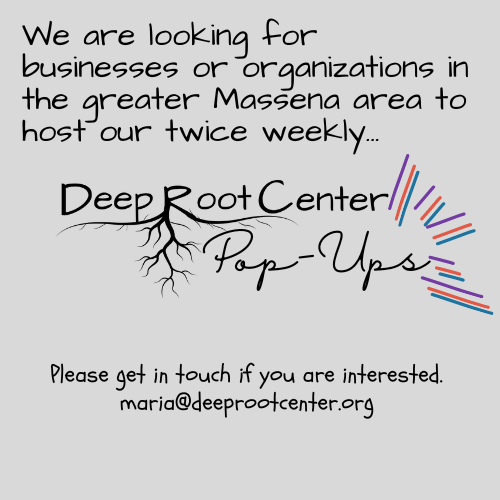 Help Wanted We are terminating the lease on our Massena Center at 47 Perkins Dr. on May 31st. This means we have one week to pack up, empty, and clean the space after our last day on May 24th. Please let us know if you are available to help with this endeavor. All hands are appreciated - including the kiddos. Our Week As mentioned, it was an off week at Canton - therefore, we didn't get many photos. I am on the mend, so hopefully, we will make up for it this coming week. The Massena Center had a full week ending with a birthday celebration on Friday - donuts were the choice of birthday sweets. Yum! Happy Bday, JT.
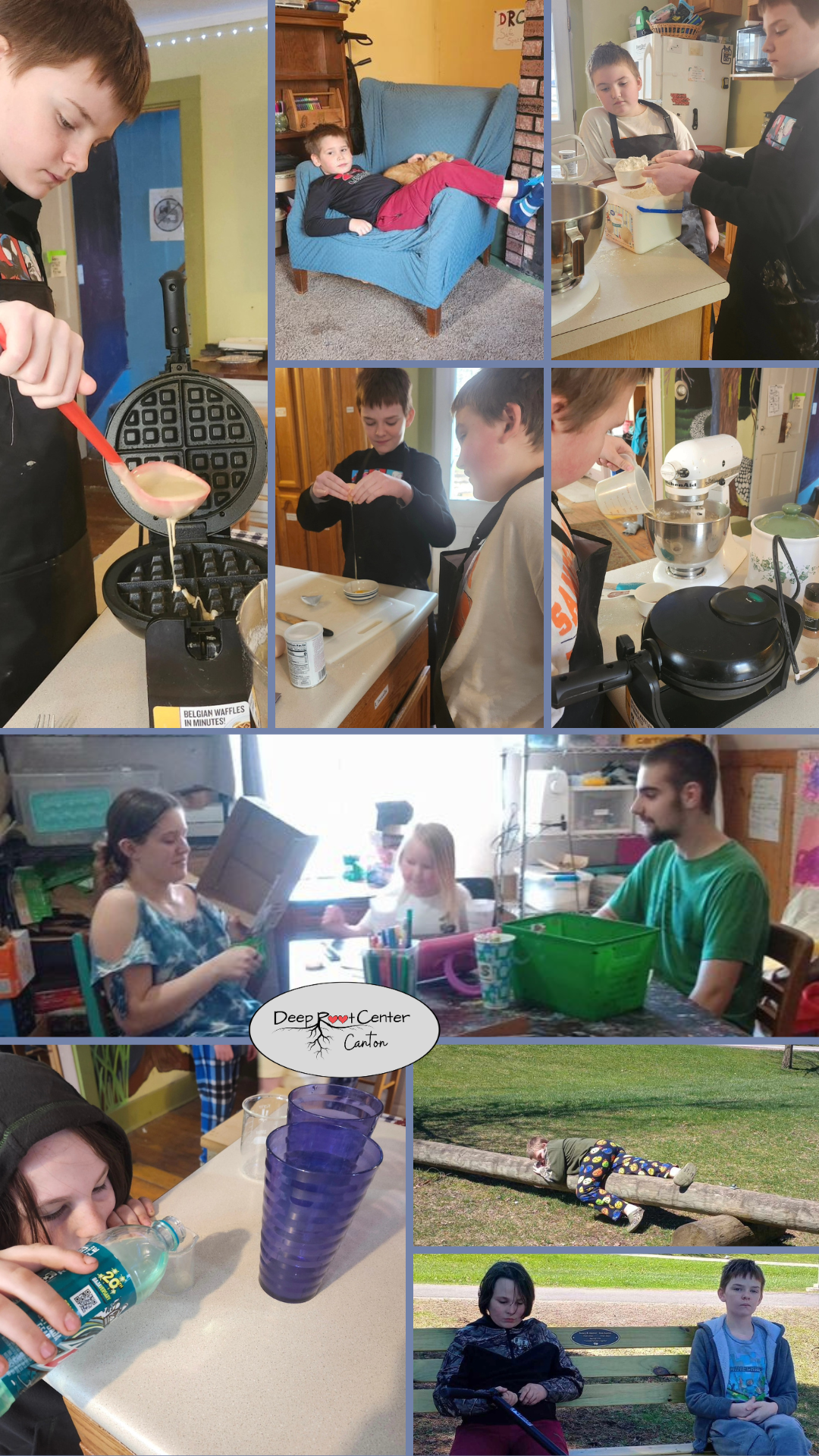
We all have the opportunity to make choices that we feel are best for ourselves, our families, or the people we support through our work. Earlier this week, I spoke with a person from a local agency who advocates for youth in St. Lawrence County. He recommended DRC to one of his families and brought the young person and their mom to visit. Before they left, while the child was helping another DRC kid move a pallet from the front yard to the backyard, he said that after trying to get this kid to school and spending over an hour and a half coercing him every day, he realized he was only adding layers of trauma onto this poor kid. So when he understood that education doesn't necessarily have to be "school," he searched for an alternative and found DRC. I am beyond grateful that there are people in the community advocating for our youth who recognize the harm in forcing young people to do what society has deemed the "right" thing and take the time to find a substitute because they understand it is best for the child. When a child who has been refusing school (for a multitude of reasons) joins DRC between the ages of 5-11, we can usually help them overcome the trauma they endured. However, by the ages of 13-18, it is often too late. The harm has been so profound that these kids are convinced they are damaged goods (the "bad" kids) or have given up entirely, and it takes more than DRC's support to guide them toward a positive future. This particular eleven-year-old did, in fact, join us and had a couple of days to settle in this week. This kid is a self-identified cook and baker and helped make the pizza from scratch on Thursday. I think he is going to fit into the crew beautifully - and I am so very glad his advocate decided that he did not want to participate in generating more trauma for this kiddo. DRC News This is a reminder that we accept kiddos into our programs throughout the year, including the Pop-us coming to the greater Massena area in the fall. If you know of a child who is not thriving in school, please have them get in touch. We can help.
The Crews at Canton and Massena were happy to be back this week after our Spring Break. The Canton kiddos enjoyed a long discussion about the eclipse during morning check-in on Tuesday.
Our society's economic system is based on the fear of scarcity and consequently dictates our lives. Out of greediness, large corporations and governments use this as a scare tactic to withhold equity from the masses. They make us believe there isn't enough to go around and then establish strict criteria that people have to meet to access resources. We have become so conditioned to this mindset that sharing and collaboration are now scarce concepts that need to be explicitly modeled and taught. Supporting others in their endeavors (even if they seem similar) instead of feeling jealous or threatened doesn't weaken my project or support system - it can only strengthen it by helping to generate new ideas and perspectives, share resources, and bring in talent and expertise I don't have. The key is to view the world through the lens of abundance - or maybe even "just enough." With that mindset, I am open to sharing my gifts and resources to make us all fitter and successful so we can generously and compassionately create a more equitable world where everyone can thrive not because of what they have but simply because they are human. Won't you join me? *thank you to A.C. for instigating the intriguing and productive conversation on Friday that triggered this thought process and inspired this post. DRC News The Centers were off this past week for Spring Break, which is extended through Monday for the solar eclipse. We are welcoming a crew from Boston to the NoCo for the event. They plan on touring the Canton Center late Monday morning. Please be safe - get your eclipse glasses if you plan on looking at it in progress (I know the Canton, Massena, and Potsdam libraries have them for free), and don't be on the roads while it is happening. Find your viewing spot well ahead of time and settle in for the show. You can order your shirt with our exclusive eclipse design to celebrate the experience.  Till next week - take care!
Last week, I mentioned that I am happy to be someone who can make decisions easily because it allows me to remain open, invite new ideas, and be "flexible enough to hone and play with the elements of the previous decision..." mainly because "...in my mind, nothing is ever finished - everything is an organic, shape-shifting progression." When I wrote that, I had just spent the week ruminating about a plan I had brainstormed and shared with the Board the previous Thursday. It includes some painful changes here at Deep Root Center, necessitated by some rough fiscal realities and fraught with feelings of guilt, failure, and frustration - but has enormous potential for positive outcomes. Since the beginning of this year, we have known that we can not feasibly financially support a second Center - while keeping our promise to accept any child who wants to join us - with a pay-what-you-can policy, and in the absence of significant grants or committed large scale sponsorships. We have tried in good faith with as much creative fundraising and community support as we can muster for the past four years but always with the same results, a gigantic red deficit - at the end of the year - driven by costs even with an austerity budget. Which ultimately puts all of Deep Root Center at risk. Therefore, we have decided to close the Massena Center at the end of May and transition to a model we call - DRC Pop-Ups. (The Canton Center will remain open as is.) This framework offers a way for us to navigate our pledge to support as many kids as possible, seeking an alternative that puts each of them in charge of their education. And now, presenting: DRC Pop-ups - for 24/25
We believe this plan will allow us to effectively increase the number of self-directed home schoolers we can support, both current in-person and current & future consultees. (I have helped over fifty with our consultation program this year.) It offers the services kiddos are already receiving from DRC and will (hopefully) be self-sustaining (with continued fundraising efforts). It also allows young people even more time for other opportunities outside of DRC, such as getting a job, volunteering, focusing on their future goals, creating a social network with other home schoolers, etc. Changes usually bring some sadness - but they also carry immense affirmative potential and satisfaction within all their "organic, shape-shifting progressions." That is the piece I am focusing on now. Onward! *Note - any family I currently consult with is welcome to get in touch to learn more about our Pop-Up opportunities in the Fall. Or if you know of anyone who plans on homeschooling and may need our help - please let them know they can reach out anytime. DRC News Besides navigating the above announcement, our kiddos have been busy at both Centers.
We began Spring Break on Friday and will continue through April 8th. We considered opening for the eclipse - but keeping our kiddos and their families safe from a potential influx of visitors and the traffic it will create was our biggest concern. Therefore, we will see all of our kids on April 9th. Get your exclusively designed Eclipse shirt from DRC's Printify Shop. Why do my life lessons usually involve reflecting on the stupid shit I did moments before? Case in point, this post is inspired by my impulsive decision to hurry down a steep, muddy hill (with inappropriate shoes) - instead of taking the steps (or sending a kiddo) - to catch someone to give them something before they drove away. I won't leave you hanging - yes, I did fall and get covered in mud, and I did dislocate my arm for the 5th(!) time. (Oh, yes, the kids got the items to the person before they left.) *Pro tip - after you have a couple of arm dislocations under your belt, it doesn't really hurt - much (although this one aches worse than #3 & #4 and feels more vulnerable to spontaneously dislocating), and you have the advantage of knowing what the Cunningham Method of reduction is - which you can tell the ER nurse to do instead of the technique that requires sedation (explaining how it is done if necessary). The upside of being a person who is rarely indecisive is that I am not afraid of jumping in, making mistakes, getting dirty (quite literally), and fully understanding that I need to be flexible enough to hone and play with the elements of the previous decision. This is why, in my mind, nothing is ever finished - everything is an organic, shape-shifting progression. The downside is that sometimes the decisions are impulsive, and the required pivot may involve a visit to the ER or an apology. Thinking more deeply about it, I will always take the trade-off. Because - it also means that I am (mostly) open to the possibilities - within all the opportunities. Which allows me the freedom to follow whatever seemingly crazy, outside-the-box, unconventional ideas my neuro-spicy brain dreams up. Now, I simply need to train myself to determine (and stop) the dangerous impulses that will land me in the ER or some kind of trouble - again. (If that doesn't go well, you will surely read about it here!) DRC News Find this latest exclusive design to celebrate the solar eclipse in our Printify Shop. Every shirt purchased helps DRC. Thank you to our friend, Kris Rozelle of Kris a Lis Designs, for spending a day at each Center this past week to make cool eclipse shirts with glow-in-the-dark fabric paint.
*The Canton Center will be closed on Monday to allow me an additional day to rest my arm.
I spent my typical writing day at the North Country Kids Expo talking to some fabulous folks about Deep Root Center - so I put together just a few seemingly random thoughts about fearing change - before heading out yesterday morning.
DRC News Thank Yous Thank you to everyone who came out to The NoCo Kid's Expo yesterday. We enjoyed watching cool kids making cool art, meeting new folks and chatting with old friends. Deep gratitude to all the folks who participated in our raffle for the the pail filled with $100 of NYS Lotto Scratch-off Tickets - we raised over $1600! An exact dollar amount along with the name of our winner will be announced in next week's post. Thank you to North Country Savings for contributing $200.00 to our programs! The Deep Root Center mailbox was busting with good news on Saturday! Enormous gratitude to the Golub Foundation (Price Chopper) for funding our grant request with a $1000 check and to the Stewart's Match fund for their continued support with a $250 check. We are deeply grateful. Both Center's were hopping again this past week as these photos attest.
Have you noticed that a direct demand often feels icky when you are on the receiving end? Most of us, by our very nature, resist being told what to do. A few of us often observe a dictate as an open challenge and intentionally do the opposite. Maybe not ironically, the foundation of our traditional educational system is built on telling kids what to do and how, when, and where to do it. We punish those kids who push back against that built-in coercion - and then place a laser focus on their deficits (and "bad" behavior) with more ineffectual intimidation and oppression. On the other end of the spectrum, some succumb after years of constant instruction, doing precisely as told (no more or less), and are rewarded. Children from both categories find their way to Deep Root Center. The kids in the first group often come with a bright red warning label that screams impulsivity and trouble. But all I see is restrained, untapped potential - endless imagination, problem-solving skills, and vision. To be completely transparent - it is absolutely exhausting to be around all that chaotic energy, and I have to constantly remind myself that putting a leash on it would destroy the very essence of innovation and ingenuity that this world needs. Working with those in the second group can be equally emotionally taxing. Don't be fooled - perceived victim-hood and "I can't" syndrome are absolutely real and crippling. These folks, even as adults, have no idea how to do anything without direction or rewards - they have no sense of creativity or problem-solving skills to speak of and throw their hands up in surrender when they bump up against anything that becomes even the tiniest bit challenging. Getting them to a place of joyful self-motivation - without using sticks or carrots is a herculean task, too. In both cases, we actively try to avoid telling kids what to do. The first group wouldn't listen anyway, and we would only be setting the second group back by reinforcing their internalized helplessness. Some would say we are creating a generation of "brats" who can't (won't) do what they're told - my response is we are supporting kids to be responsible for their words and actions - show kindness and compassion for others, and speak (show) up for themselves. All the while not sheltering them from the real world. DRC NEWS The drawing for our Lotto Ticket Raffle is March 17th! Purchase your chances here. 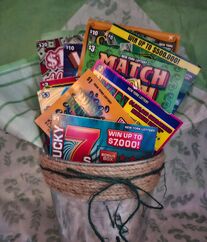  Meet us at the Kid Expo next Saturday, March 16th from 10 - 4. We will be there with a table full of arts and crafts supplies for kids to create to their heart's content. Stop in to learn more about DRC.
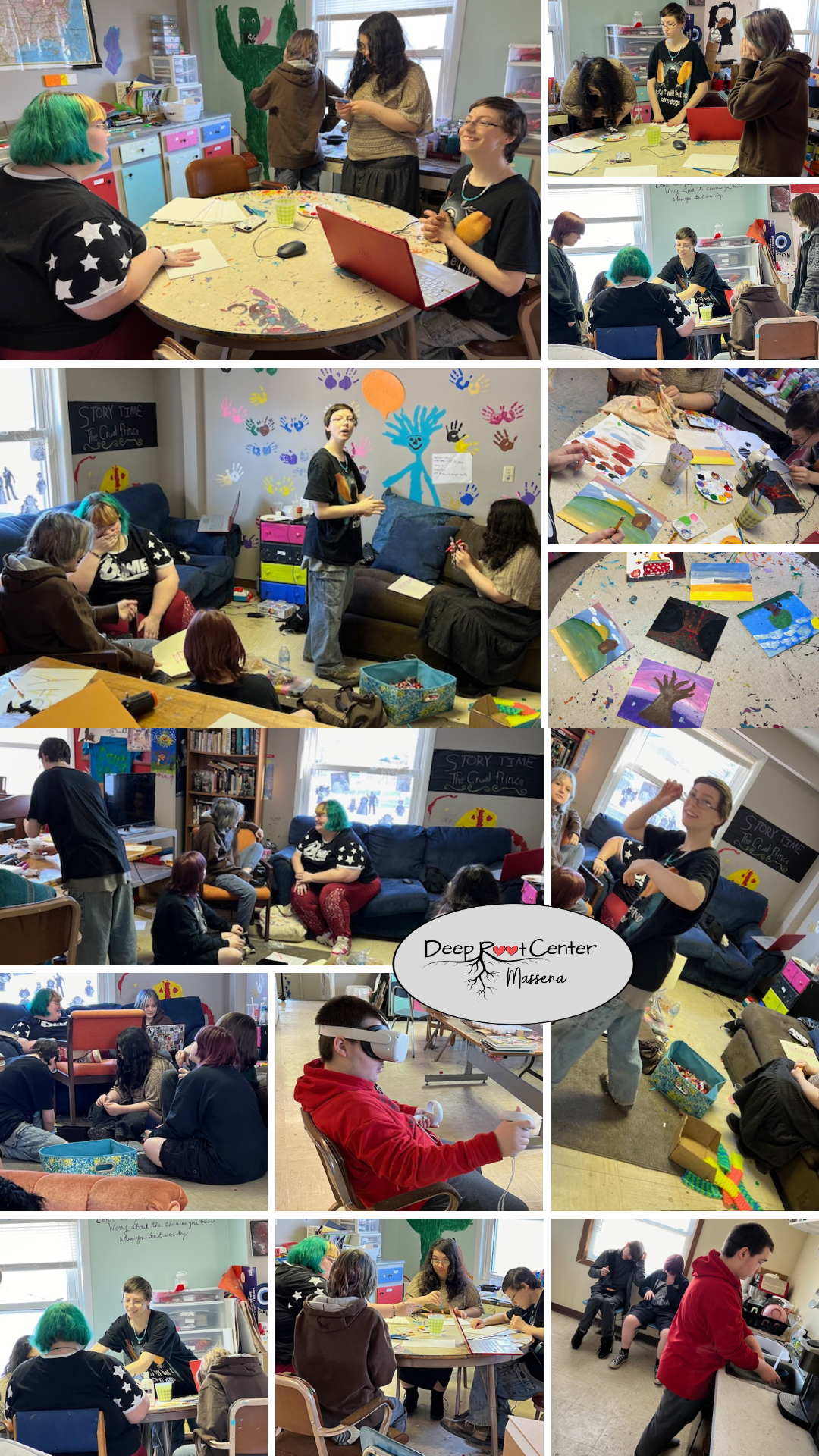
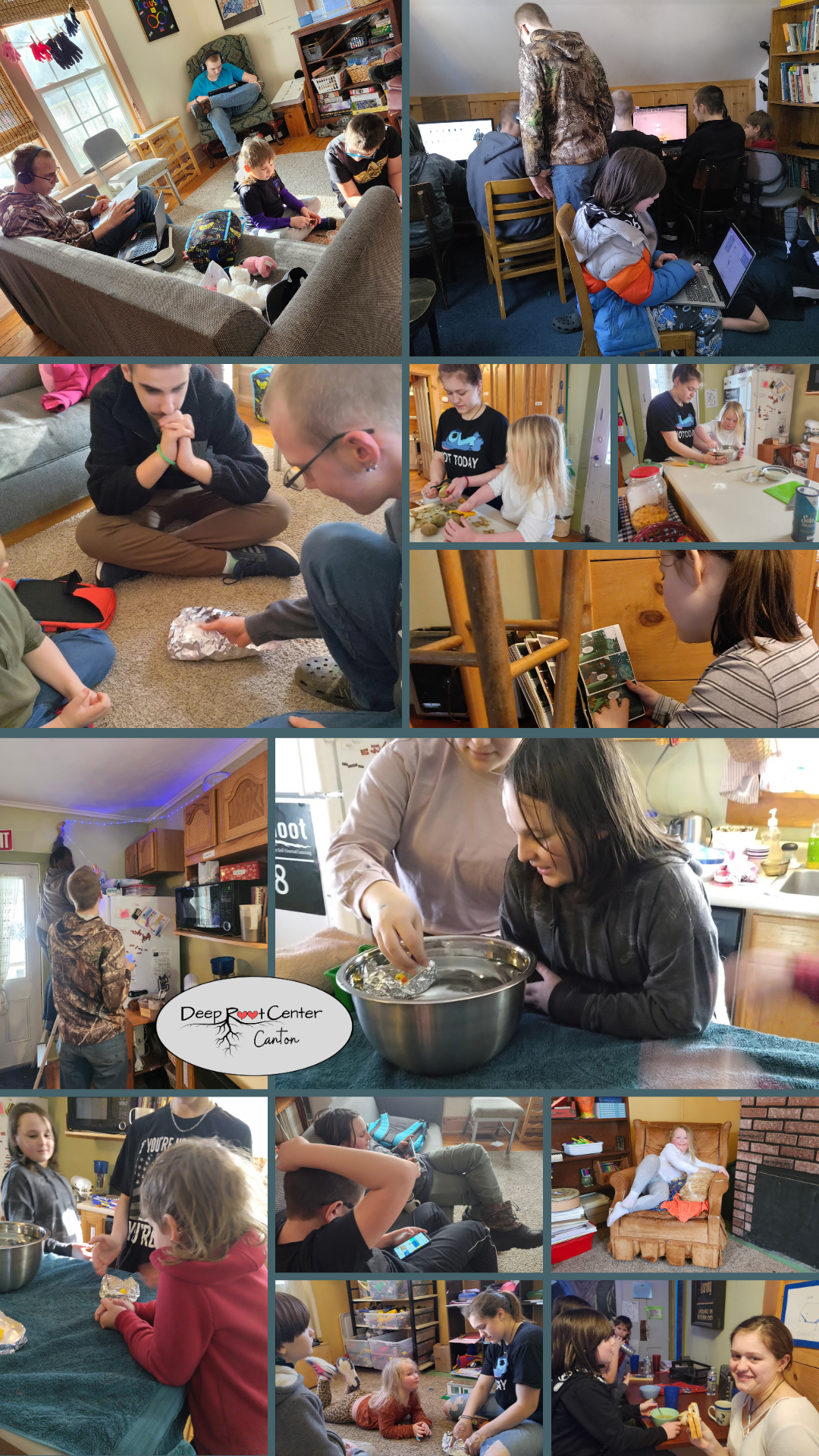
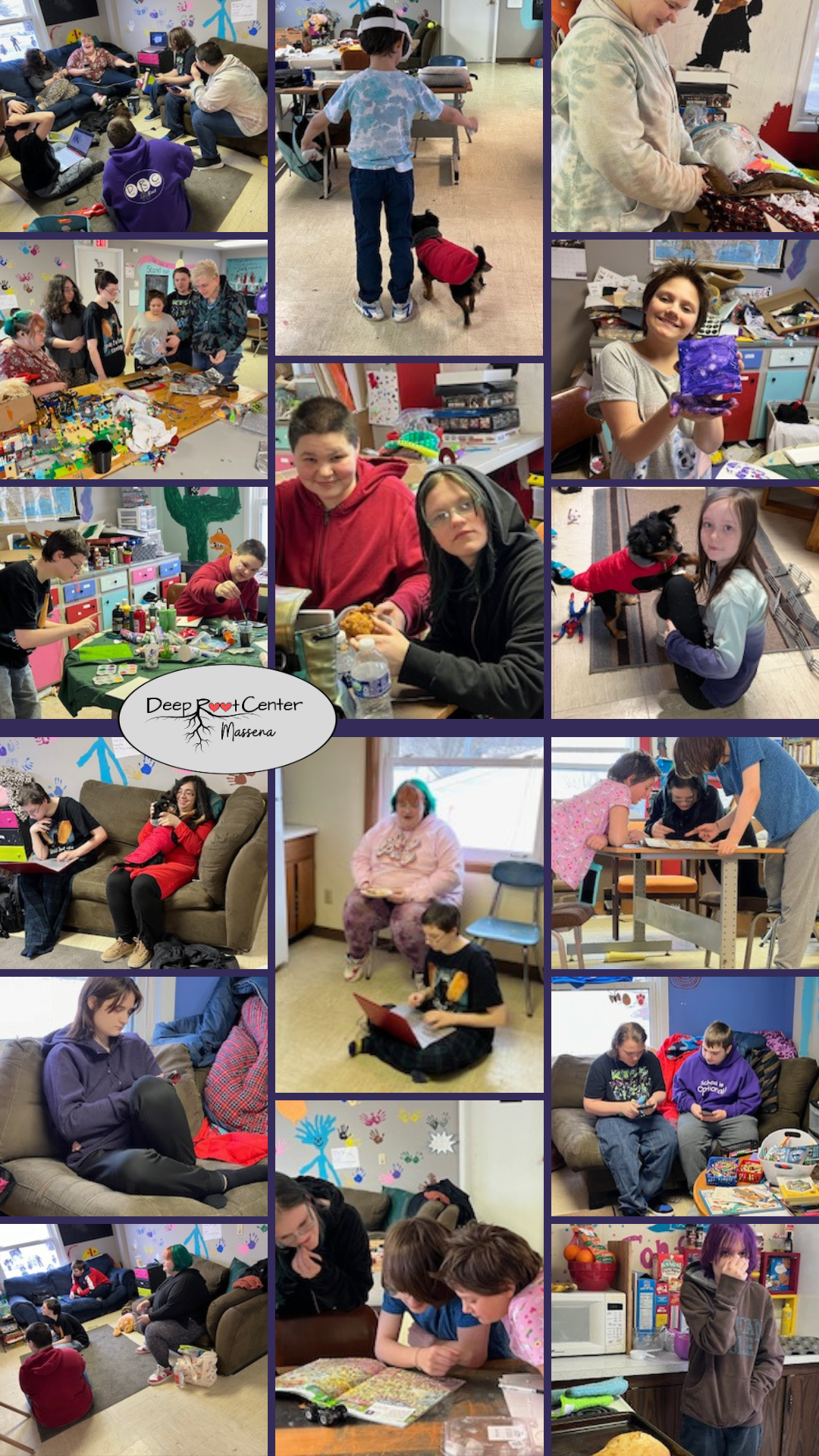
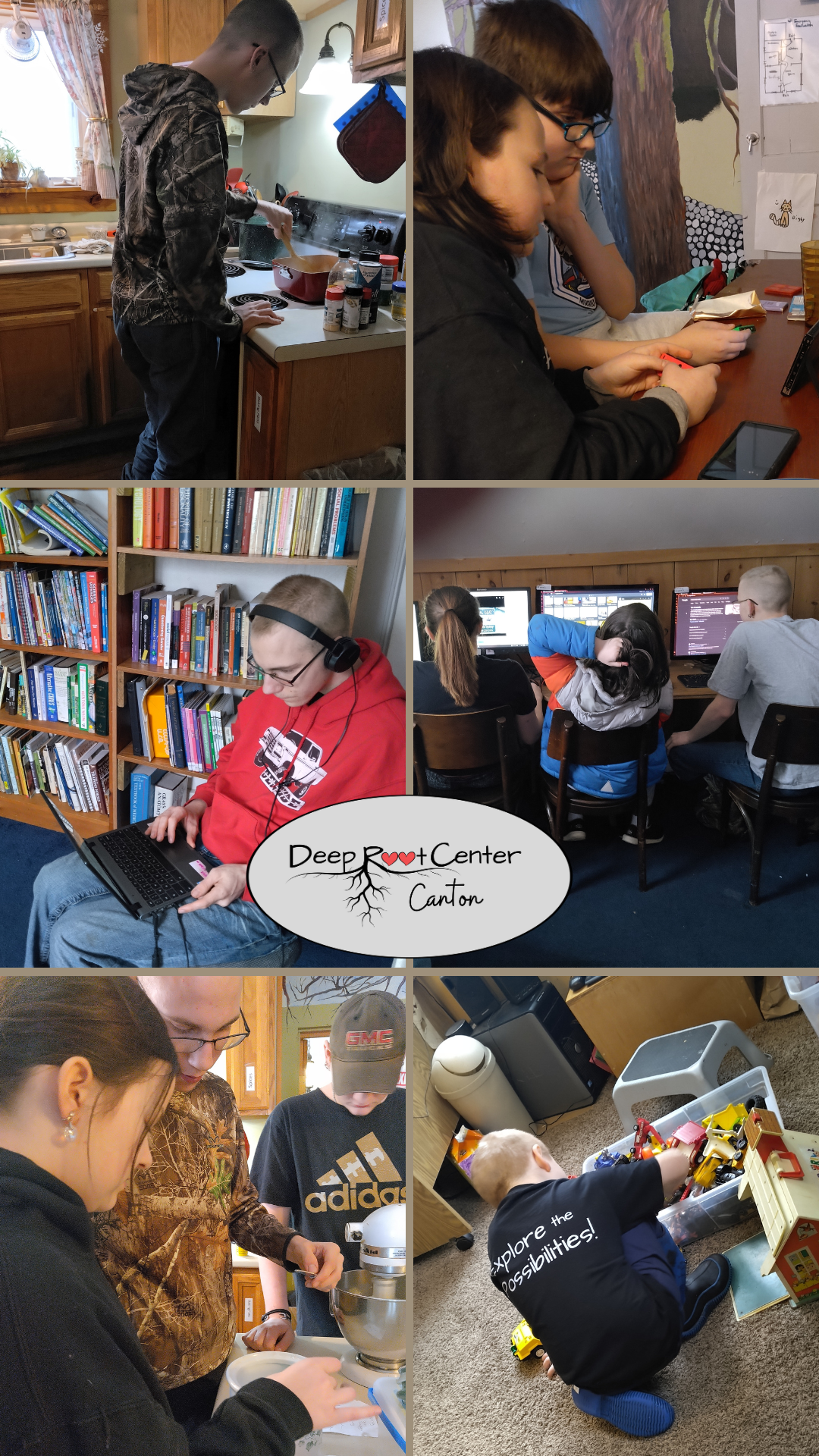
Lots of hands-on action and cool conversations were had at both Centers this past week.
As you may recall, "have fun" is how I end every consultation phone call. Additionally, that idea encompasses the foundational philosophy that we practice every day. Most of us intimately understand that having fun and exploring new things in a playful manner are the catalysts for creativity and innovation, while perceived fear, frustration, intimidation, and coercion shut them down. However, that concept is rarely carried through to our educational or work life - the two places we arguably need to be on top of our creative and innovative game. At DRC-Canton on Friday, we had a clear example of this in practice. E, our excellent SLU volunteer, often has a fun Kitchen Sink Science activity for us - this week was no exception. The kids are always excited to see what she brings them. This time, she had them split into teams - each had a plate with a few blueberries, a couple of paperclips, and salt and pepper. The challenge was to remove everything from the plate separately without using their hands to touch the items on the plate. They could use anything else to move them - straws, magnets, or whatever they could imagine. The kicker was that they had to think about it and write instructions before completing the task. E was clear on that instruction. And not surprisingly, that was the most difficult part of the entire activity for many. They wanted to jump in and play with their ideas and had zero interest in planning or writing it all down. Some ignored her instructions and went ahead and experimented without drafting a strategy. Others tried to follow the rules - but had trouble articulating their ideas without first playing and exploring. While listening in from my desk, I tried to explain to the kids that E wanted them to write their plan down so it could be replicated - one of the basic tenets of science. But they were still feeling frustrated with that part. A few kids did figure out the steps to accomplish the challenge. But the written part was definitely sketchy at best. When I checked in with E while she was cleaning up, I observed that the exercise most definitely served to reveal everyone's personality pretty quickly. Their responses ranged from deep frustration, nonchalance, to determination - one kid was actually separating each piece of salt and pepper methodically with a straw, another was convinced that water was the answer and mostly got it to work. She replied that she had no idea that a couple of kids would straight-up "rage quit." I think she learned something from the experience - too. 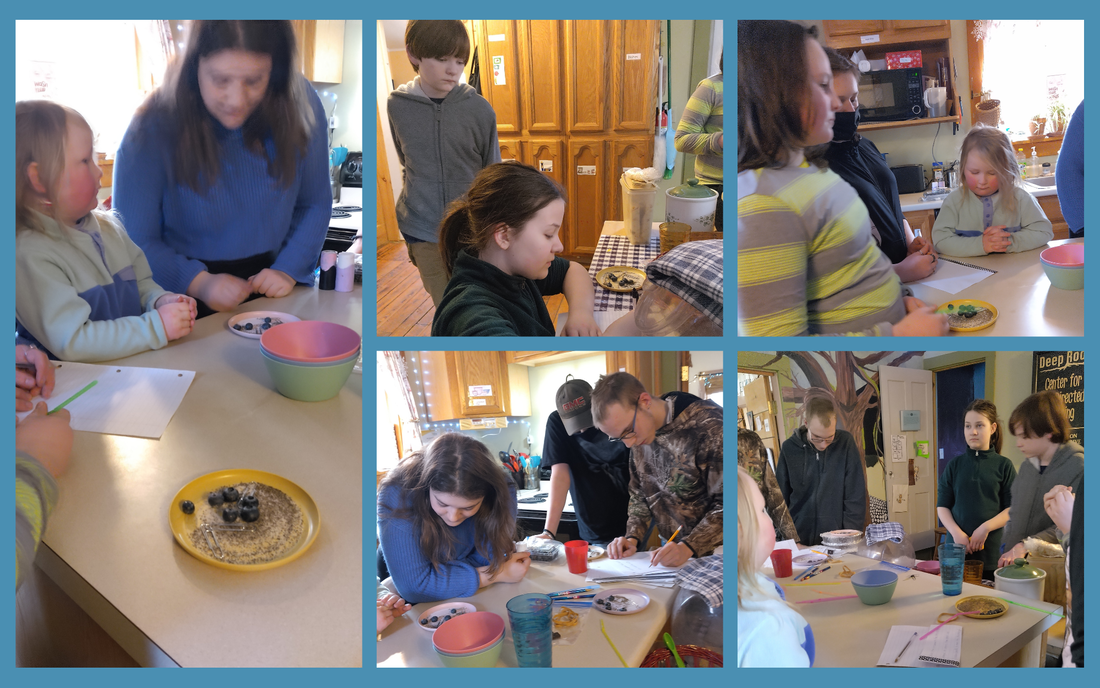 I was pondering all this early Saturday morning - thinking maybe if they were allowed to document the instructions while playing and creating, that would have made a difference for the kids who were most frustrated with the activity and still keep the scientific integrity that E was trying to teach. Then, I received Peter Gray's latest blog. And as often happens - his words directly related to everything I was trying to puzzle out. (I even sent it to E - as one more resource to think about.) Therefore, I'll leave you to peruse his clear and concise essay (linked below) instead of attempting to wrangle and untangle these same ideas that are randomly bumping against each other inside my head - into something readable. Enjoy! ( PS - I highly recommend subscribing to Dr. Gray's Substack.)  DRC News
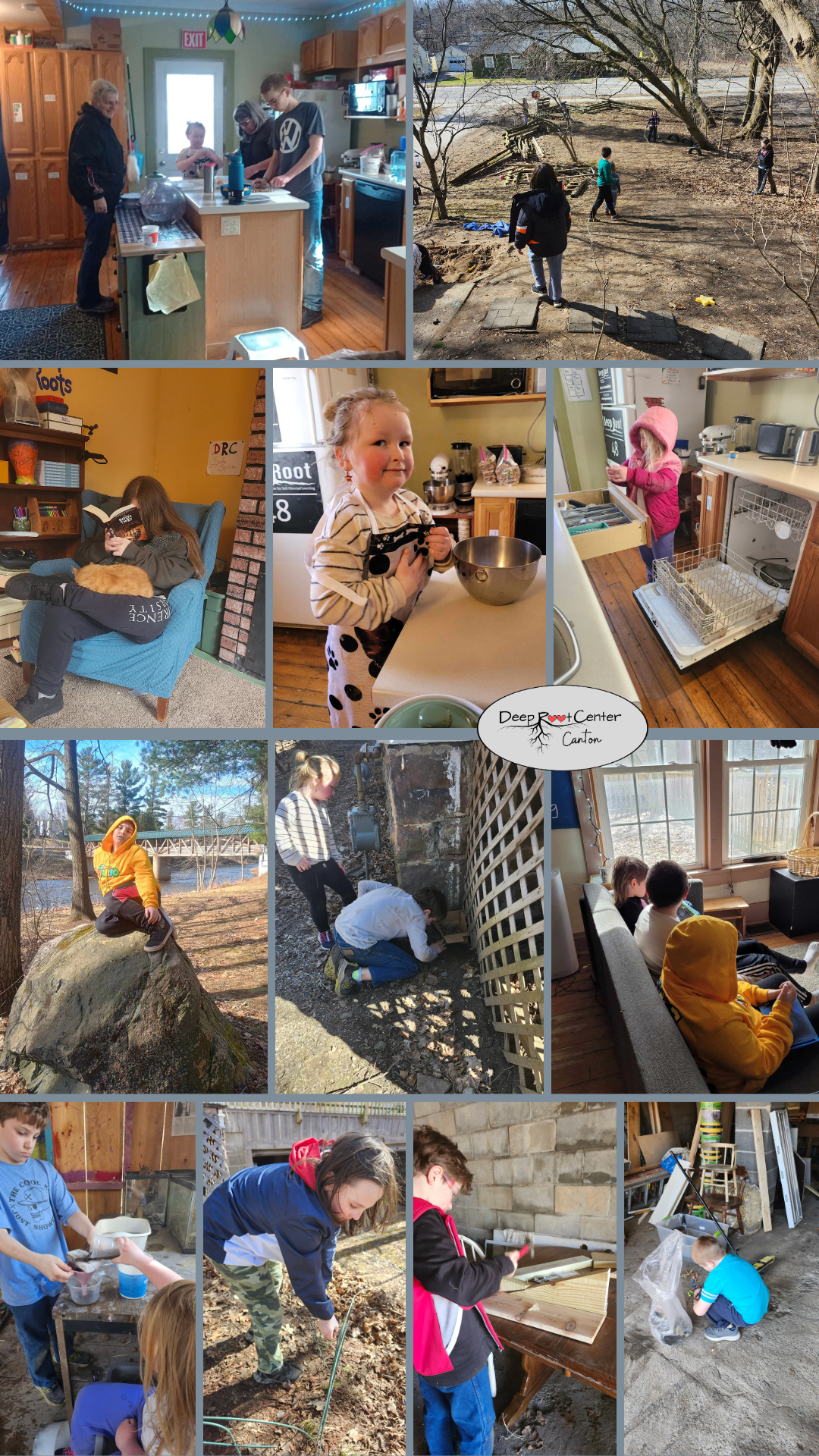
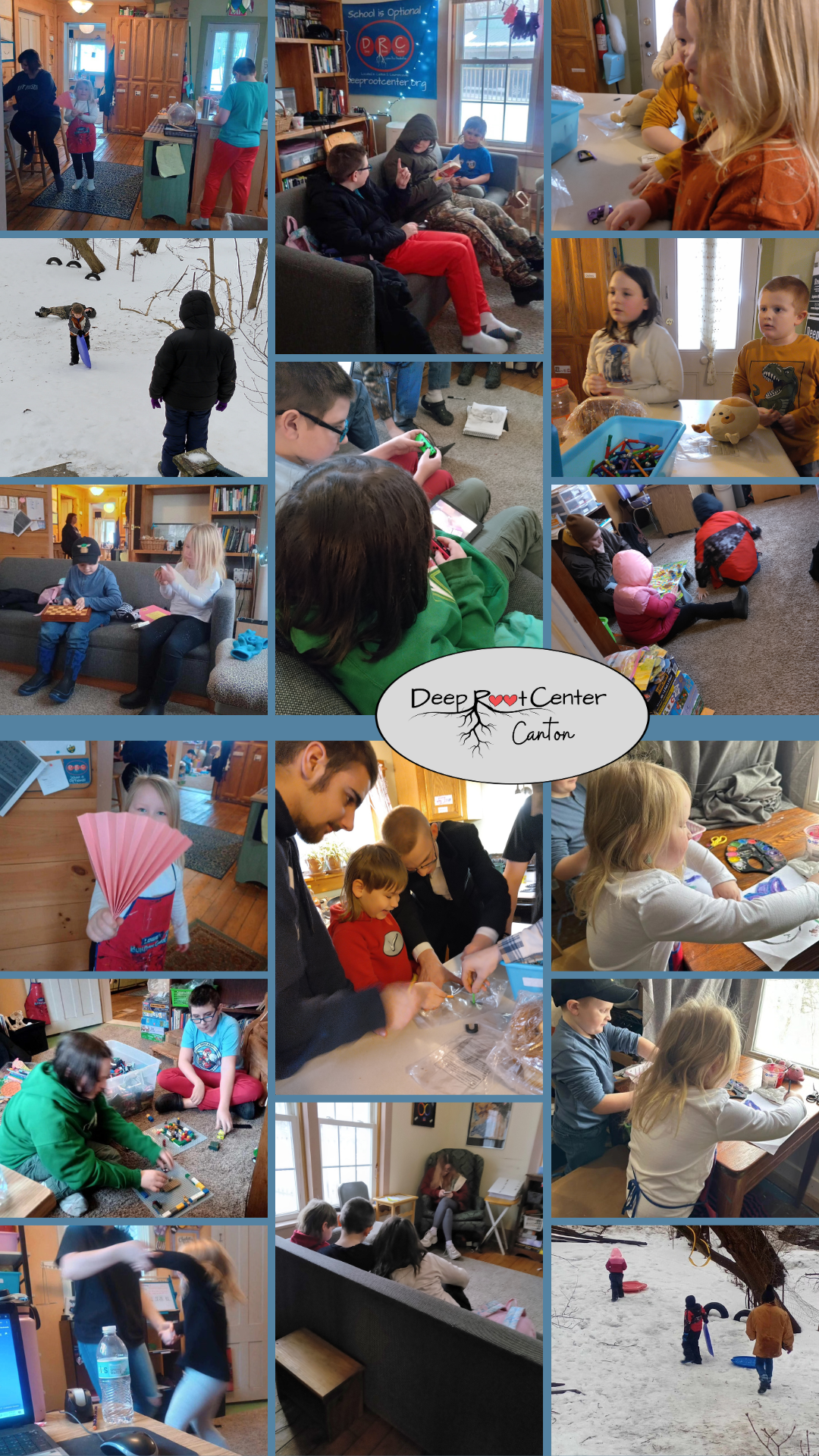
There was some crazy energy out there this past week. We captured some of it in this week's photos.
What are you into? This is always the first question I ask during the initial conversation (usually by phone) with every kid I write a homeschool plan for - whether they want to attend Deep Root Center or are homeschooling on their own with DRC's consultation services. The responses range from an excited three-minute list to quiet "I don't know" with a nearly audible shrug. After doing this for ten years, I have some thoughts about the "whys" behind those opposing responses. I speak with kids who have been in school - and have given it their all - to no avail. Many of the teens gave up trying long ago. They understand the system inside and out and know that no matter what they do - it will have the same result - failure. There are many underlying reasons - but the outcomes are the same. Some kids surrender to the inevitable - actually give up altogether. They have learned to hate learning - their ambivalence and apathy is palpable. These are the kids I have to pull every piece of information from. I work hard to get them to engage - even the tiniest bit. They give me nothing to go on. I have to guess, and when I make a suggestion - they whisper "sure" or "ok" with zero enthusiasm. I hang up or conclude the meeting - so sad that I could not break through - as defeated as these kids probably feel. Then there are the fighters - the kids who know on a visceral level that school is not designed for them and refuse to go but are still excited about learning. They are fiery and fierce. These are the young people that give me hope for the future. So, when I ask, "What are you into - not just school subjects but in life?" All the buried ideas, interests, and passions erupt into the light of day. Their enthusiasm is fueled by my interest and questions as the conversation continues. These kids who have been shut down by the system are suddenly alive and excited to explore the possibilities. This exact scenario happened a little over a week ago. The mom of two teens had contacted me the day before because CPS was involved (educational neglect), and they had recommended that she call DRC. When I say this 16-year-old was on fire - it is not an exaggeration. After explaining the process - and learning that he was held back twice, I asked the title question. This kiddo went off. He is into agriculture - plants specifically. He has a grow tent in his room and has figured out how to propagate house plants. He is also learning how to create bonsai. (I asked him whether he knew about Ikebana - the art of Japanese flower arranging. He hadn't, but he was going to look it up.) His joy and enthusiasm fed my excitement and interest - in the end (after a very long conversation of bouncing ideas off each other) - we devised a homeschool plan centered around plants and his experiments with seed germination. Math is collecting data, arranging it in charts and graphs, and nailing basic computation - to learn business math and accounting. Part of ELA is keeping a detailed journal of his experiments propagating house plants and checking the viability of old flower and vegetables seeds (from his grandma), and writing his ultimate aspirations - perhaps even a business plan. I suggested studying Japanese culture for Social Studies based on his interest in bonsai - but he wants to study the World Wars. His science is a no-brainer - the kid lives and breathes the scientific method. He had never considered that his passion for plants - could be anything more than an enjoyable hobby. He already understood that learning was fun - now he knows his interests have important implications for his future. But the school labeled him a failure because he refused to sit down, shut up, and do the rote work that had no meaning to him. He was not interested in complying - simply to satisfy authority. Damn straight, he said "no" to the game of school. He didn't know how but understood he would be better off not jumping through hoops with the same dismal result - just for the sake of checking off all the meaningless boxes. Now, with a bit of guidance, he is off and running. I didn't need to tell him to have fun - he is already doing that! I can't wait to watch where this kid goes and what he does with his passion for plants and life. This is just one example of what drives me to do what I do. So many kiddos are falling through the cracks because they were told they don't measure up to "normal" expectations. They can exceed and succeed beyond anyone's wildest dreams if given a chance to step outside the box. I firmly believe that one day in the relatively near future, I will no longer have to ask, "What are you into?" because every child will have the opportunity to freely choose, develop, and follow their interests and have a profound understanding of what it means to love learning. This means - someday, maybe soon, I will happily be out of a job and ready to explore the next opportunity. But in the meantime - I am here to advocate for every kid who needs me. DRC News Did this week's story speak to you? Did you struggle in school - misunderstood and miserable? If so - my guess is you had no other options but to suffer through it (like me) or drop out as soon as possible. DRC is here now for any child who needs us. We work with every family whether they can afford our services, --- or not. This policy continuously puts our bottom line in serious jeopardy. You can help!
Other actions you can take to support our kids:
Thank you! Thank you to Stewart's Shops for funding our grant request with a $300 check this past week. We are grateful for their continued support of our work! Cool DRC Kid "Stuff!" We are excited to have a couple of kiddos entered in the juried art show at the Massena Library. The opening reception is March 2nd - 11:00 -11:45. The exhibit is up until March 22nd. If you get a chance - check out all of the amazing art. An Invitation
Both Centers will be back in session this coming week after our week-long winter break. These are the cuties I spent my week with: 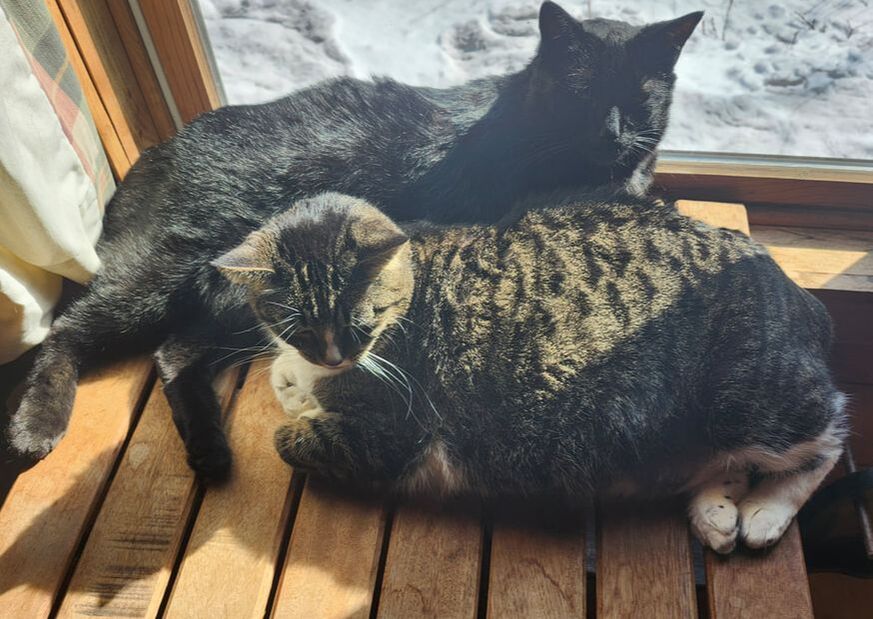 This week, I am taking time to share a few thoughts and observations about privilege based solely on the true stories from my conversations over the past few months. You are fortunate if you don't have to worry about experiencing a majority of the following:
Privilege isn't something most of us think about possessing. It plays out in so many silent ways that we don't notice until we listen intently to someone's story, making it plainly and painfully obvious. It bears saying - having privilege does not imply that you do not have struggles or that life is not sometimes hard - it does mean that society has not intentionally made it more difficult for you - simply because of who you or your family are. Sending love and positive vibes to all. May you find kindness and respect in every interaction, and even if you don't, may you offer the kindness and respect that someone else needs. DRC News Thank you to DRC-Canton parent Josh L. for removing and replacing the decrepit original (to the house) backdoor with a much more solid and reliable one last weekend. Fundraiser
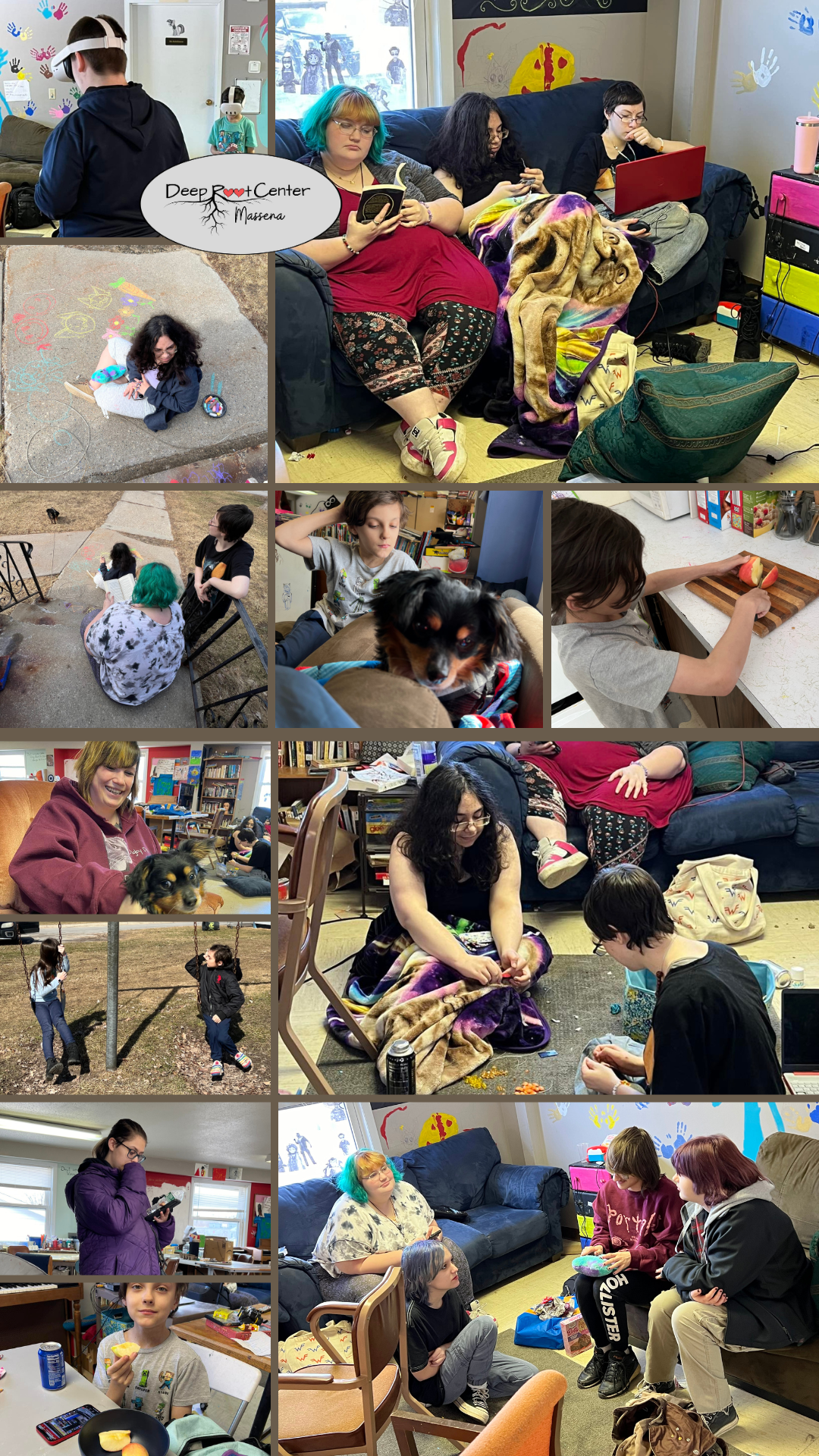
Our week in pictures from both Centers (ignore the blurry photos from Canton. I accidentally had the flash set on my phone when documenting our Kitchen Sink Science session, on Thursday.)
Wishing everyone tons of relaxing fun during this break. If you need to get in touch, email [email protected]. 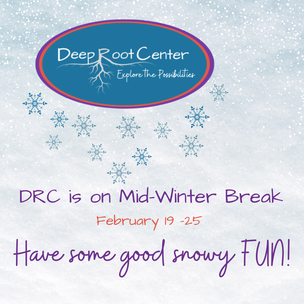
We have become a culture of obnoxious, busybody finger pointers. And I will argue that it is a problem of epidemic proportions.
It seems totally natural to comment and spotlight things about other folks that are absolutely none of our business. From personal choices or behaviors to how someone looks - whether we know the person or not - we are obsessed with pointing out the teeniest of tiny negatives or "wrong-doing." I won't get into the psychology of it all - but from my vantage point, it appears that we are either drawing attention to things we see in others that we don't like in ourselves, it is a way to feel superior, create drama or pure entertainment, or we are simply jealous of others and their ability to make choices that allow their personality to shine through. It concerns me that judging folks for the petty things that are hurting no one and none of our damn business - and at the same time, withholding the multitude of systemic changes that will actually help society as a whole - in the long run - has become a national past-time. Stop it! In our obsession with pointing fingers - we forget that basic kindness, respect, care, and compassionate connection are the only way forward as a species. DRC News
YouTube Collaboration
HTM
Grateful for Volunteers
We have a delightful "crop" of regular volunteers who are connected and engaged with our learning communities this year. (Thank you, Kris, Virginia, Abby, Esme, and our new SLU CBL students - AJ and Carter.) New faces with fresh ideas and interests are always welcome. If you are interested in joining us - you can complete our volunteer application here.
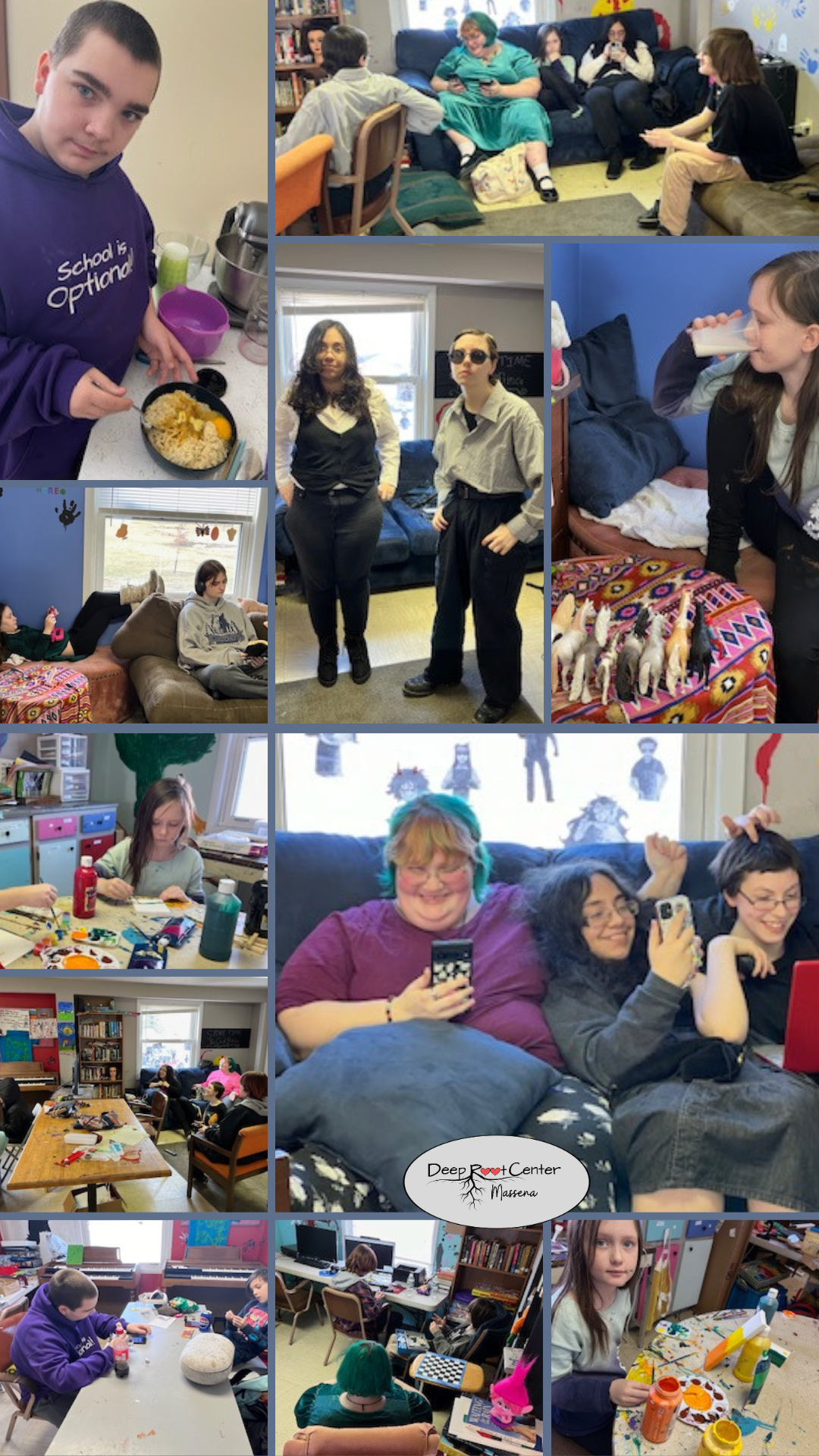
Our week in pictures from both Centers:
I am an intensely competitive person who has spent the past ten years building an environment designed to support and encourage people to focus on collaboration. So, which of the title terms works here? Maybe it will become apparent with a bit of clarification. In my head, the competition is always with myself - no one else. I expect exacting perfection from myself. As far as I can analyze it, the main reason is to avoid disappointing the people I make promises to and likely to prove to myself and others that despite being neurodivergent, I can absolutely do anything I say I will do - excellently. Here are just a few examples:
As hard as I am on myself, I am equally as easy on everyone around me. They all know the only thing I expect in spades is respect - in fact, it is our only rule at Deep Root Center: "Respect Yourself, Everyone Here, and this Place." And within the mutual appreciation, kindness, and care, collaboration is born. So, with this information - have you decided? Which am I - an oxymoron, a paradox, or something else I never considered? And how many of you identify way to closely with this entire narrative? Either way, this is one more reason How do You Solve a Problem Like Maria is my theme song and will likely be my epitaph. *Points for recognizing the musical it is from. (Ha, gotcha - there are no points or rewards - just a feeling of self-satisfaction!) H/T to Kris R., our DRC- Canton Tuesday Volunteer and brand new board member, for instigating this thought process. DRC News We have added four kiddos to our Massena Crew in the past two weeks and one to the Canton Crew. We are excited to welcome them to Deep Root Center. In other news of additions - we are happy to announce two new board members to the DRC Fam. Welcome: Kris Rozelle, a local artist who has been volunteering at both Centers for the past few months and Lexi Marolf, the children's librarian at the Massena Library. Stay tuned for their bios on our Staff and Board page. We had a busy week at both Centers which also included birthday celebrations:
Over the past few weeks, every conversation (too many to count) I have had with folks seeking my help (either kids themselves or their adults) has included references to intimidation, fear-mongering, or just plain old shitty (disrespectful) attitudes and behaviors. None of these tactics are about helping - they are all a form of control to retain the status quo. When educational professionals resort to a fear-based, pigeon-holing approach - as their go-to tool - not only do they create an intolerable environment for kids - but within that, they also lose their students' curiosity, creativity, desire to learn, and respect. Each individual's narrative represents nothing short of trauma. When each of these instances is combined through a young person's schooling years, is it any wonder we have kids who are anxious, rebellious, depressed, apathetic, have no real sense of who they are, what they like, or where they are going, and absolutely hate learning? As I see it, in the most simplistic terms possible, education should encourage and support young people to become the best possible version of themselves, while helping them realize their goals, and prepare them to live in society as responsible, thoughtful citizens. Kindness and encouragement support growth - intimidation and pressure literally shut it down. We can do better for them and for us. DRC News
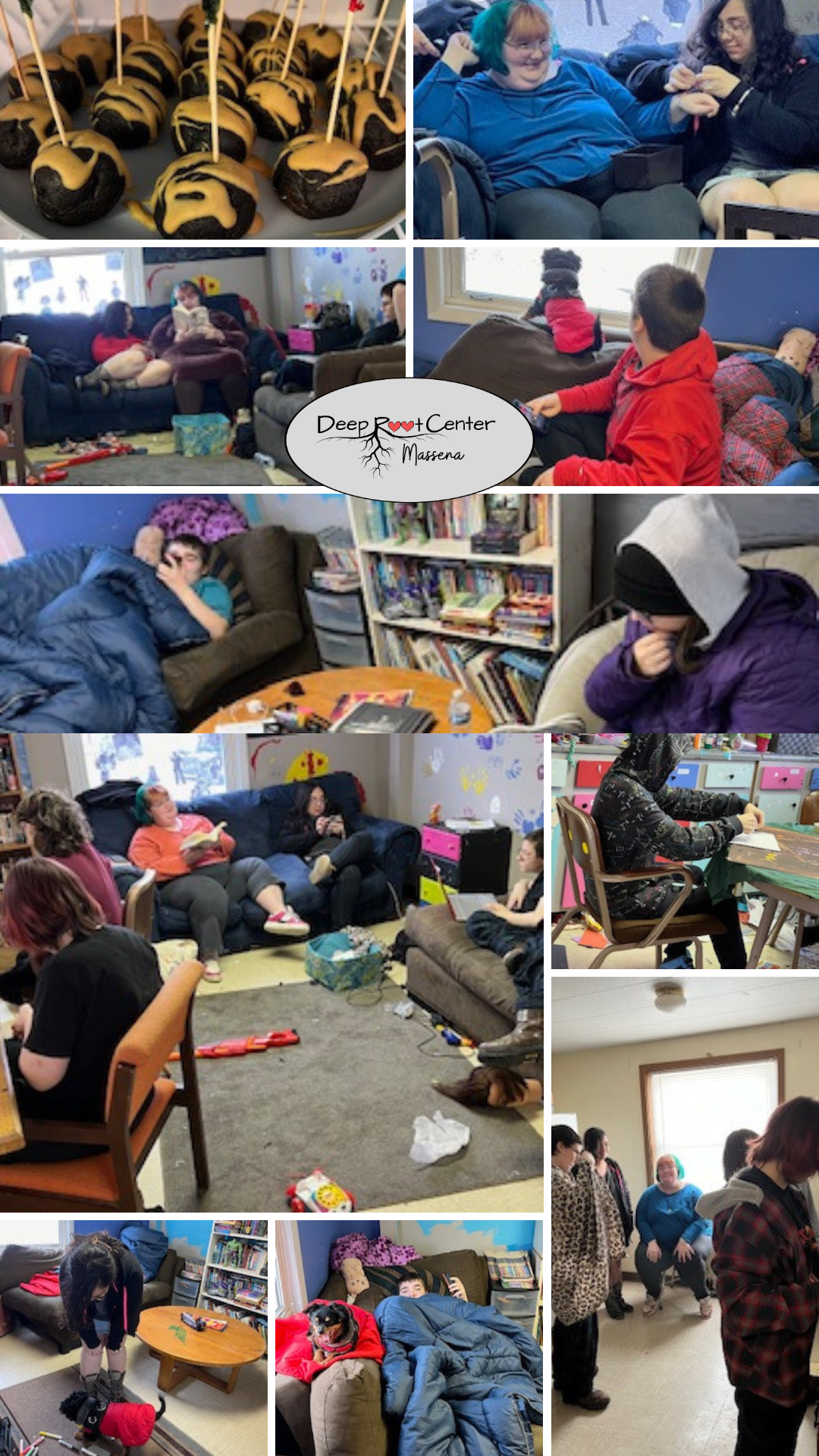
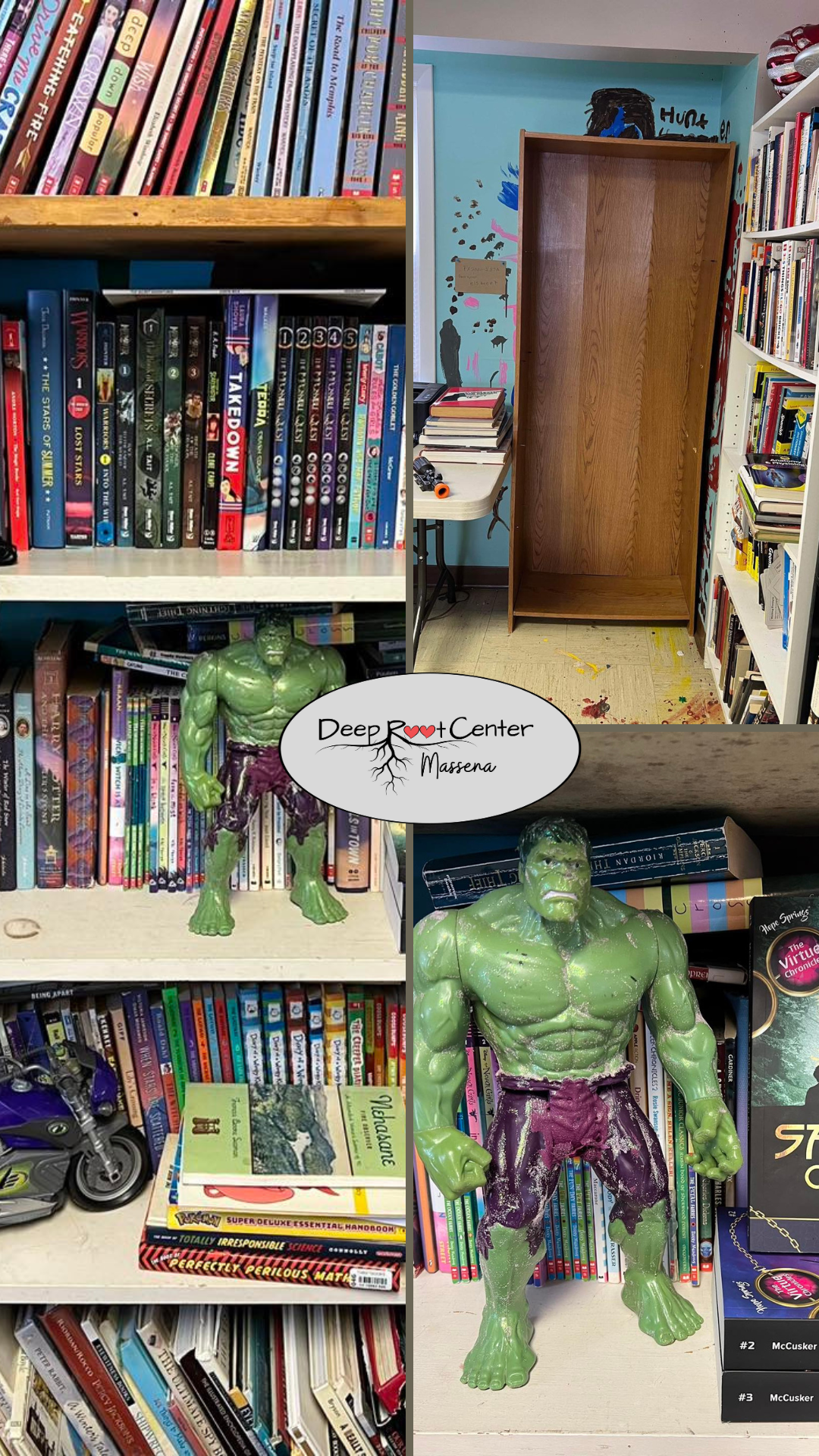
The long-awaited solar eclipse is coming up on April 8th this year, and considering we are located directly in the path of totality, one of the other Liberated Learners Centers - from Boston (possibly others) hopes to take a road trip to view it here. We are excited to host other self-directed learners and show them around our beautiful and beloved NoCo. We will keep you updated on the planning. Both Centers had a short week due to the inclement weather. The Massena Center had drama around a heavily loaded bookshelf collapsing - therefore those book loving Peeps spent time rescuing their reading material and are represented by three photos of their bookshelves in this week's photo montage.
|